
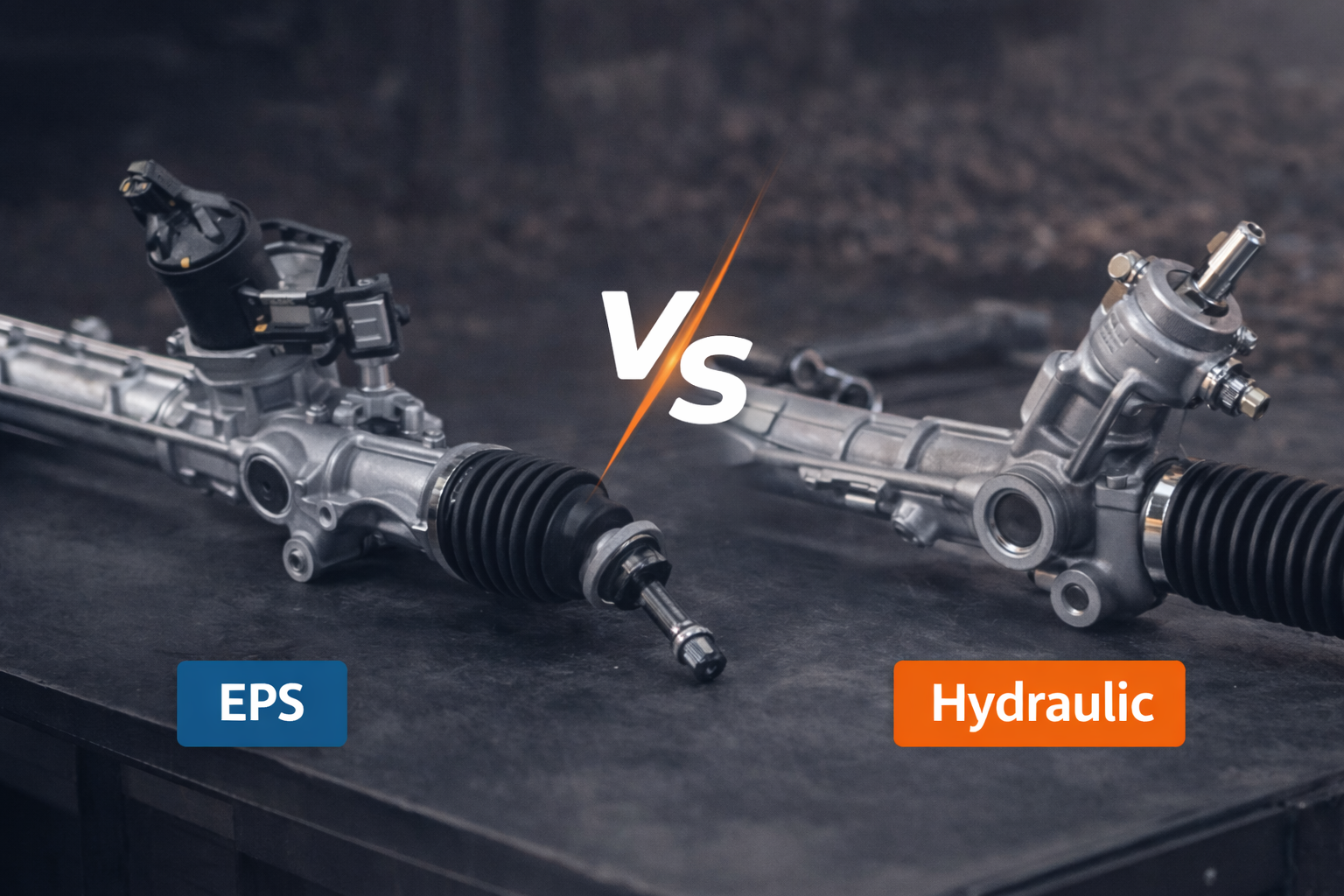
Introduction: Navigating the 2026 Steering Systems Market
The automotive industry is in the midst of a technological transition that hasn’t been seen in decades. For distributors, wholesalers, and repair chains, the choice between Electric Power Steering (EPS) and Hydraulic Power Steering (HPS) is no longer just a technical detail—it is a strategic business decision.
As a leading remanufactured steering rack factory, GL-Laida understands the complexities of the global aftermarket. In 2026, the demand is splitting: while developed markets push toward total electrification and ADAS-compatible EPS systems, many regions still rely on the robust, mechanical reliability of hydraulic systems.
This comprehensive guide explores the core differences between these technologies and provides a roadmap for sourcing high-quality remanufactured power steering racks that align with your regional market needs.
Understanding Electric Power Steering (EPS): The Future of Modern Driving
Why EPS Steering Racks Are Taking Over the Market
Electric Power Steering (EPS) is now the standard for almost all new passenger vehicles, including Internal Combustion Engine (ICE) cars, Hybrids, and Electric Vehicles (EVs). Unlike traditional systems, EPS uses an electric motor and an Electronic Control Unit (ECU) to provide steering assistance.
Key Advantages of EPS Systems
- Superior Fuel and Energy Efficiency: Because the EPS motor only draws power when the driver is actually turning the wheel, it reduces engine load (or battery drain in EVs), directly contributing to lower CO2 emissions and extended range.
- Seamless ADAS Integration: EPS is a prerequisite for safety features like Lane Keep Assist (LKA), Automated Parking, and Collision Avoidance. Without an electronic steering rack, these modern safety “selling points” cannot function.
- Reduced Long-term Maintenance: By eliminating hydraulic fluid, pumps, and hoses, EPS removes the most common failure points in steering systems—leaks.
- Programmable Driving Feel: Manufacturers can tune the steering “weight” via software, offering a sportier feel or a lighter city-driving mode without changing mechanical parts.
The Role of Remanufactured EPS in the Aftermarket
For distributors, the challenge with EPS has always been the high cost of new OEM units. This is where a specialized remanufactured steering rack manufacturer like GL-Laida provides immense value. We rebuild these complex electronic units to original specifications, ensuring the ECU and sensors are fully calibrated and tested, offering a 30-50% cost saving for your customers.
The Persistent Value of Hydraulic Power Steering (HPS)
Why Hydraulic Systems Remain Critical for Heavy-Duty Use
Despite the growth of electronics, Hydraulic Power Steering (HPS) remains indispensable for specific vehicle segments. HPS uses a belt-driven pump to circulate hydraulic fluid, providing a powerful mechanical assist that many drivers still prefer for its “road feel.”
Advantages of Maintaining Hydraulic Steering Inventory
- Heavy Load Capacity: For commercial trucks, pickups, and construction machinery, the raw power of hydraulic pressure is often more durable than electric motors under extreme stress.
- Mechanical Simplicity for Repair: In regions where electronic diagnostic tools are less common, hydraulic systems are easier for local technicians to troubleshoot and fix.
- Proven Durability in Harsh Climates: Mechanical components are often more resistant to extreme temperature fluctuations than sensitive electronic sensors found in early EPS models.
EPS vs. Hydraulic Steering: A Strategic Comparison for 2026 Buyers
Energy Efficiency and Global Emission Standards
In 2026, compliance is king. European and North American regulations have made EPS almost mandatory for new registrations due to its role in reducing carbon footprints. If your market is focused on modern, late-model passenger vehicles, your inventory must lean heavily toward remanufactured EPS steering racks.
Maintenance Cycles and Long-Term Service Costs
- HPS: Requires fluid flushes every 50,000–100,000 km. Failure to maintain fluid leads to pump and rack seal failure.
- EPS: Zero fluid maintenance, but sensitive to electrical surges and moisture ingress in the ECU housing.
Technology Integration: ADAS and the Future of Steering
As autonomous driving levels increase, the “Smart Steering Rack” becomes a central data node for the vehicle. Buying remanufactured units from a factory that understands software calibration is essential to ensure that ADAS features continue to work safely after the part is replaced.
Why Remanufactured Steering Racks Are the Smart Business Choice
Significant Cost Reductions Without Sacrificing Quality
The primary barrier to vehicle repair today is the skyrocketing price of parts. By sourcing remanufactured power steering, you allow repair shops to offer a high-quality alternative to expensive OEM parts, improving your inventory turnover and customer loyalty.
Sustainability: Meeting ESG Goals in the Automotive Aftermarket
“Remanufacturing” is not just “repairing.” It is a circular economy process.
- Energy Savings: Remanufacturing a steering rack uses 80% less energy than forging a new one.
- Material Conservation: We reuse the high-quality steel housing (the “core”), which rarely wears out, while replacing all internal seals, bearings, and electronics.
The GL-Laida Difference: Our Industrial Remanufacturing Process
As an ISO-certified remanufactured steering rack factory, we don’t just “clean” parts. Our process involves:
- Core Selection: Only high-quality cores with zero structural damage are accepted.
- Total Disassembly: Every unit is stripped down to the last bolt.
- Precision Cleaning: Ultrasonic cleaning removes all contaminants.
- Component Replacement: 100% of seals, O-rings, and worn bearings are replaced with premium-grade new parts.
- Rigorous Testing:
- Leakage Testing: High-pressure testing ensures the hydraulic seals are perfect.
- Functional Testing: EPS units are connected to diagnostic software to verify ECU communication and torque sensor accuracy.
- Durability Validation: Simulated road-load testing ensures the rack performs under stress.
Global Sourcing Strategies: Regional Advice for 2026
Europe: Navigating High Standards and ADAS Integration
- Market Focus: 85%+ EPS.
- Procurement Strategy: Focus on remanufactured EPS steering racks for brands like Volkswagen, BMW, and Stellantis. Ensure your supplier provides full compatibility with European safety standards.
- Opportunity: High demand for environmentally friendly (Circular Economy) certified parts.
Russia: Prioritizing Durability in Harsh Conditions
- Market Focus: Mixed demand. High volume of hydraulic racks for older fleets and commercial LCVs.
- Procurement Strategy: Focus on heavy-duty seal kits and robust hydraulic designs. Look for units that can withstand sub-zero temperatures without seal shrinkage.
- Opportunity: Supply chain stability is key. Partner with factories like GL-Laida that have established logistics experience for the Russian market.
Brazil: Balancing Legacy Fleets with Modern Upgrades
- Market Focus: High demand for hydraulic steering due to the aging vehicle parc, but a rapid rise in EPS for new compact cars.
- Procurement Strategy: A 50/50 split in inventory is often ideal. Emphasize “Cost-Per-Kilometer” benefits to price-sensitive repair shops.
- Opportunity: Remanufactured steering racks are perfect for the Brazilian market’s focus on affordable vehicle maintenance.
Southeast Asia: Maximizing Value in Price-Sensitive Markets
- Market Focus: Fast-growing market with a focus on Japanese and Korean brands (Toyota, Honda, Hyundai).
- Procurement Strategy: Prioritize high-volume passenger car models. Ensure fast delivery and reliable warranty support to build trust.
- Opportunity: Large opportunity in the ride-hailing (Grab/Taxi) fleet maintenance sector where “uptime” and “low cost” are the two most important factors.
Procurement Guide: How to Source the Right Remanufactured Parts
Evaluating Supplier Testing and Certification
Don’t just ask about price—ask about the Test Bench. A professional factory should have specific equipment to test:
- Hydraulic flow and pressure consistency.
- EPS torque sensor calibration.
- ECU fault code clearance.
Managing Inventory Levels for EPS vs. HPS
Use your regional data to balance stock. Generally, keep a deeper stock of remanufactured hydraulic racks for commercial vehicles and a broader variety of EPS racks for modern passenger cars to cover the many software variations.
Frequently Asked Questions (FAQs)
Are remanufactured steering racks as safe as new ones?
Absolutely. When remanufactured by a professional factory, every critical safety component is replaced or tested to meet OEM standards. At GL-Laida, safety is our first priority.
Can I install an EPS rack in a car that originally had a hydraulic rack?
No. Steering systems are integrated into the vehicle’s architecture. Always replace like-with-like.
Why is the “Core” so important in remanufacturing?
The “Core” is the structural metal housing. Reusing it is what makes remanufacturing environmentally friendly and cost-effective.
Conclusion: Future-Proof Your Business with GL-Laida
The steering market of 2026 is complex, but it offers massive opportunities for those who understand the shift toward EPS and the continued necessity of HPS. By choosing a specialized remanufactured steering rack factory as your partner, you gain access to:
- High-quality, tested inventory that reduces warranty claims.
- Competitive pricing that protects your margins.
- Technical expertise to help you navigate the transition to electronic steering.
Ready to upgrade your inventory for 2026?
Partner with GL-Laida for reliable, high-performance remanufactured steering solutions. We serve distributors across Europe, Russia, Brazil, and Southeast Asia from our high-capacity facility in Guangzhou.
👉 Visit www.gl-laida.com to request our latest 2026 product catalog and sourcing guide.