
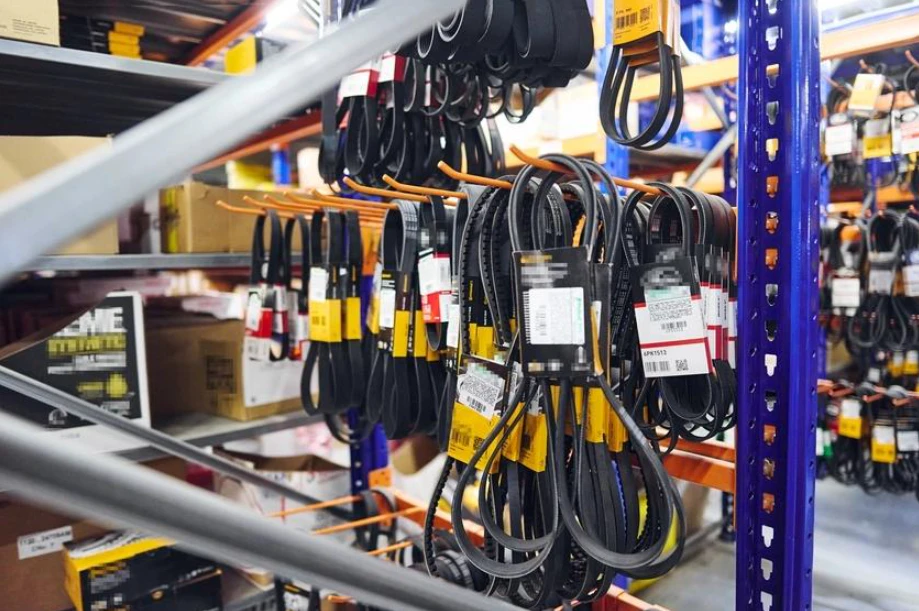
For power steering belt orders, the best trade term depends on shipment size, buyer experience, logistics control, and risk tolerance. EXW gives the buyer maximum control but more responsibility. FOB is usually the most balanced choice for sea freight. CIF can be useful for new importers, but buyers must understand its limits.
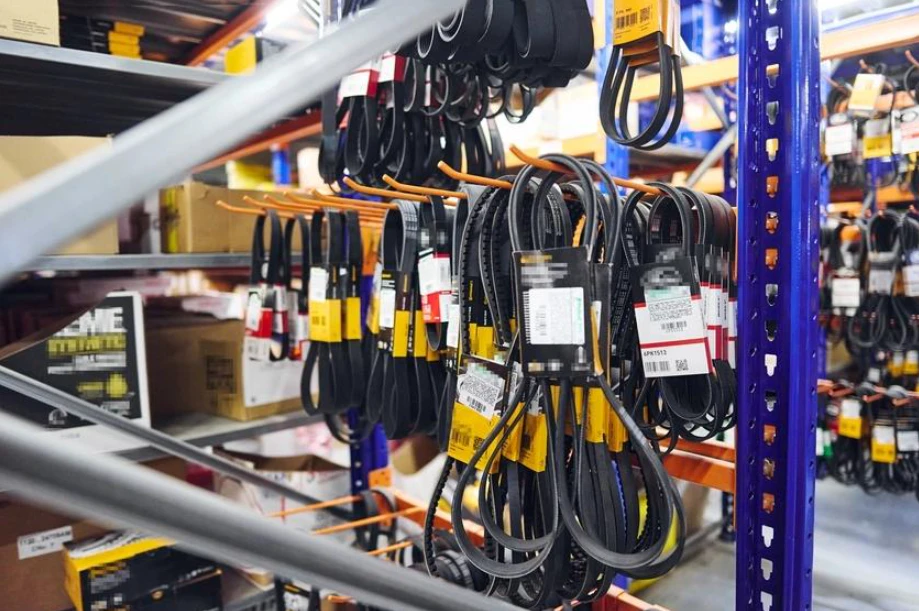
Why Trade Terms Matter
A power steering belt may be a small component, but international purchasing is not small work.
The product price is only one part of the real cost. Freight, export clearance, port fees, insurance, customs documents, and local delivery can change the final landed cost. If the trade term is unclear, a low quotation can become expensive after shipment.
Incoterms are used to define seller and buyer responsibilities in global trade. The International Chamber of Commerce explains that Incoterms rules clarify tasks, costs, and risks in contracts for the sale of goods (ICC Incoterms Rules, accessed July 28, 2026).
For importers, that clarity matters.
EXW: Maximum Buyer Control
EXW means Ex Works.
Under EXW, the seller makes the goods available at the factory or warehouse. From that point, the buyer handles almost everything: pickup, loading risk, export arrangements, international freight, insurance, import clearance, duties, and final delivery.
This can work well for experienced buyers.
It is less suitable for beginners.
When EXW Makes Sense
EXW may be suitable when the buyer has:
- A trusted local freight forwarder in the supplier’s country
- Experience with export documents
- Several suppliers to consolidate into one shipment
- Strong control over freight cost and schedule
- A need to manage inspection before pickup
For power steering belt orders, EXW can be useful if belts are purchased together with other automotive parts. The buyer’s forwarder can collect from multiple factories, combine cartons, and ship them together.
Main Risk of EXW
The risk is simple: the buyer carries more operational burden.
If export clearance, pickup timing, or warehouse coordination fails, the seller may not be responsible. In some countries, export clearance can also be difficult for a foreign buyer to manage directly.
So EXW is not always the “cheapest” option. It only looks cheap at the quotation stage.
FOB: The Balanced Option for Sea Freight
FOB means Free On Board.
Under FOB, the seller usually handles domestic transport to the port, export clearance, and loading onto the vessel. Risk transfers to the buyer once the goods are on board the ship. The buyer then controls ocean freight, insurance, destination port charges, import clearance, and inland delivery.
For many B2B power steering belt orders, FOB is the cleanest middle ground.
Why FOB Works Well
FOB gives both sides a clear role.
The seller handles local export work. The buyer controls international freight. This is useful because overseas buyers often want to compare freight rates through their own forwarders.
FOB is often preferred when:
- The order is shipped by sea
- The buyer has a freight forwarder
- The buyer wants freight cost transparency
- The shipment is medium or large volume
- The buyer needs control over arrival schedule
For example, if a distributor orders several cartons or pallets of power steering belts, FOB allows the supplier to prepare export documents and deliver the goods to port. The buyer’s forwarder then manages ocean freight and destination handling.
That is practical. It also avoids many EXW coordination problems.
FOB Limitation
FOB is designed for sea and inland waterway transport. If the shipment goes by air, courier, or multimodal transport, buyers should consider FCA instead.
This point is often missed. Many suppliers still use “FOB” casually, but contract language should match the real shipping method.
CIF: Convenient but Less Transparent
CIF means Cost, Insurance and Freight.
Under CIF, the seller arranges and pays for ocean freight and minimum insurance to the destination port. The buyer handles import clearance, duties, destination port charges, and final inland delivery.
CIF feels easier because the supplier gives a price including freight.
That convenience is useful for new buyers.
When CIF Helps
CIF can be suitable when the buyer:
- Does not have a freight forwarder
- Wants a simple initial cost estimate
- Is placing a trial order
- Needs the seller to arrange ocean freight
- Has limited logistics experience
For small or first-time power steering belt orders, CIF can reduce communication work. The buyer receives a product-plus-freight quotation and can estimate the import budget more quickly.
CIF Risk
CIF does not mean “delivered to your warehouse.”
This is the common mistake.
The seller pays freight to the destination port, but the buyer still pays local charges, customs duty, taxes, clearance fees, and inland transport. These destination charges may be significant.
Insurance under CIF may also be basic. Buyers should confirm the coverage, claim process, insured value, and cargo description before shipment.
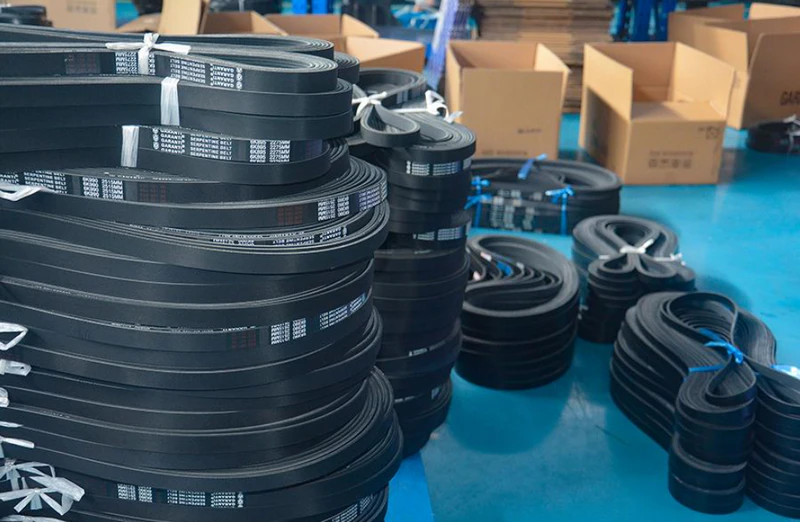
EXW vs FOB vs CIF at a Glance
| Term | Best For | Buyer Control | Buyer Risk | Main Caution |
|---|---|---|---|---|
| EXW | Experienced buyers with strong forwarders | High | High | Export and pickup burden |
| FOB | Regular sea freight orders | Medium-high | Medium | Use only when shipping by sea |
| CIF | New buyers or trial shipments | Medium-low | Medium | Destination charges still apply |
Choosing by Order Type
Small Trial Orders
For small samples or light cartons, courier or air freight may be better than EXW, FOB, or CIF. In that case, ask for a door-to-door express quote or use FCA with your forwarder.
The goal is speed and simple handling.
Medium Carton Orders
FOB is usually better if the shipment moves by sea. It gives a fair division of responsibility and keeps freight control with the buyer.
This is often the best choice for repeat importers.
Bulk or Mixed Auto Parts Orders
EXW may work if your forwarder consolidates products from multiple suppliers. However, the forwarder must be able to handle pickup, loading, export documents, and schedule control.
Without that capability, EXW can become messy.
First-Time Import Orders
CIF may be acceptable for a first order because it is easier to understand. Still, buyers should request a full cost breakdown and confirm destination fees before approval.
Practical Buying Checklist
Before confirming a power steering belt order, check:
- Exact Incoterm and named place or port
- Whether the shipment is sea, air, courier, or multimodal
- Carton quantity, gross weight, and volume
- Export packing requirements
- HS code and product description
- Insurance coverage if CIF is used
- Destination port fees and customs costs
- Delivery time and document schedule
Small details prevent expensive delays.
A wrong consignee name, vague cargo description, or missing packing list can slow customs clearance. For automotive parts buyers, these errors also hurt customer delivery schedules.
Supplier Communication
A reliable supplier should not only quote the product. They should also understand export documents, packing standards, and buyer-side requirements.
For steering component procurement, GL-Laida recommends confirming logistics terms before production is completed. Once goods are packed and booked, changing trade terms can delay shipment and increase cost.
Clear terms save time.
Conclusion:
For most regular power steering belt orders shipped by sea, FOB is the best choice. It gives buyers control over international freight while leaving export clearance and port delivery to the seller.
Choose EXW only if you have a capable local forwarder. Choose CIF if you are new to importing or need a simple freight-included quotation. For air or courier shipments, consider FCA or express door-to-door service instead of forcing FOB or CIF into the contract.