
Electrically powered steering belt drive systems are being adopted in more vehicles because automakers need quieter steering, higher steering force, lower power consumption, and better compatibility with ADAS features. Demand is especially strong in EVs, SUVs, light commercial vehicles, and models that rely on precise electronic steering control instead of traditional hydraulic systems.
Market Overview
The electrically powered steering belt drive market belongs to the wider electric power steering sector. It should not be confused with a conventional hydraulic power steering belt.
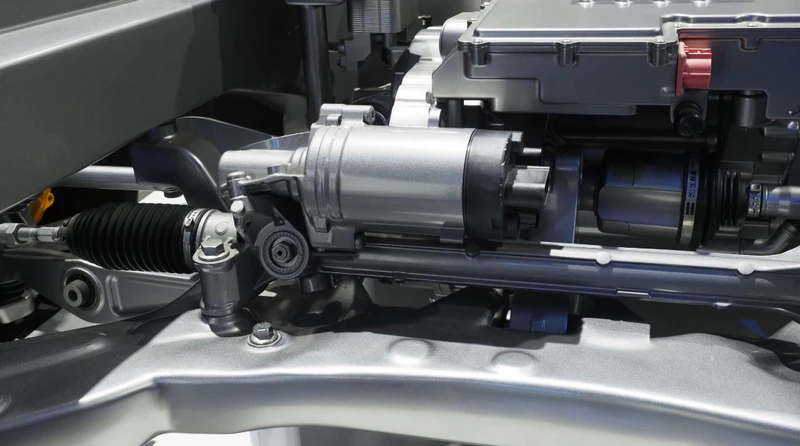
In a belt-drive EPS system, an electric motor sends assist force through a toothed belt and ball screw mechanism. This helps move the steering rack with less driver effort.
The design is useful where column-assist EPS is not strong enough. That usually includes:
- Mid-size passenger cars
- SUVs and crossovers
- Light commercial vehicles
- Pickups and vans
- Premium or ADAS-equipped models
The result is simple: more vehicles need steering systems that are compact, quiet, efficient, and software-controllable.
EV Growth Is the First Driver
Electric vehicles do not fit well with old hydraulic steering architecture. A hydraulic system usually depends on an engine-driven pump. EVs do not have that same operating structure.
Electric power steering solves this problem.
It uses energy only when steering assistance is needed. It also removes hydraulic fluid, reduces mechanical drag, and gives automakers more freedom in vehicle layout.
The International Energy Agency reported that global electric car sales exceeded 17 million units in 2024 and are expected to exceed 20 million units in 2025 (IEA Global EV Outlook 2025). This growth supports demand for electric steering systems, including belt-drive EPS for heavier or higher-output applications.
Why Belt-Drive EPS Fits Larger Vehicles
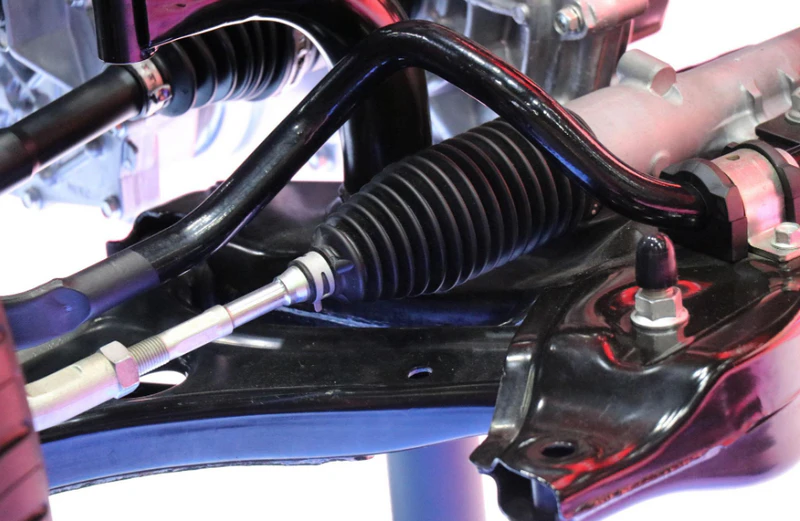
Not every vehicle needs a belt-drive EPS unit. Smaller cars may use column-assist systems. Larger vehicles often need more steering force.
Belt-drive EPS is preferred when the vehicle requires:
- Higher rack assist force
- Stable steering at low speed
- Quiet operation in the cabin
- Smooth steering return
- Better control for driver assistance systems
Bosch describes belt-drive electric power steering as suitable for mid-size vehicles, SUVs, light commercial vehicles, pickups, transporters, and off-road-capable models, with high-load versions supporting rack forces up to 25 kN (Bosch Mobility, accessed July 21, 2026).
That explains why the technology is moving beyond premium cars. It is becoming relevant wherever weight, tire size, and steering comfort are increasing.
ADAS Is Changing Steering Requirements
Modern steering is no longer only mechanical. It is part of the vehicle control system.
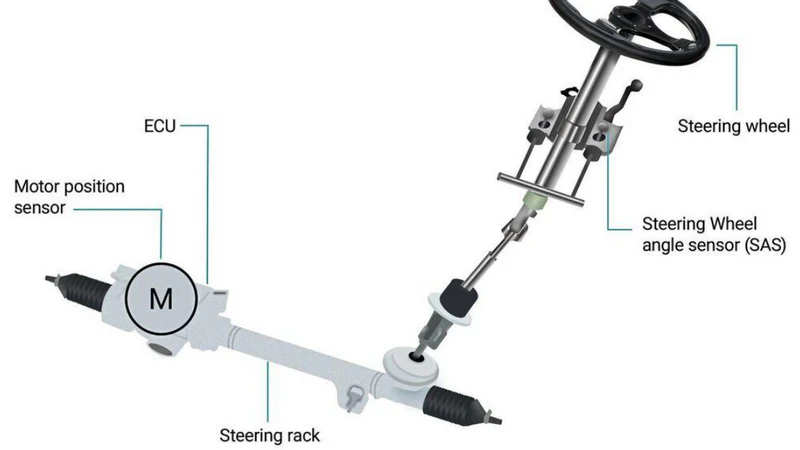
Lane keeping, parking assist, lane centering, collision avoidance, and future automated driving functions all need steering input that can be controlled electronically.
A belt-drive EPS system can support these functions because it combines mechanical force with electronic response.
Important ADAS-related requirements include:
- Fast response to control signals
- Accurate steering position feedback
- Smooth correction without harsh movement
- Redundant safety design in advanced platforms
- Compatibility with vehicle control software
For automakers, this changes the value of the steering rack. It is no longer just a replacement part. It is an actuator inside a larger electronic safety network.
Efficiency and Packaging Advantages
Traditional hydraulic power steering keeps a pump running even when steering assist is not needed. That wastes energy.
Electric systems reduce this loss.
For EV and hybrid manufacturers, every efficiency gain matters. Lower energy use can support range, reduce heat, and simplify the engine bay or front compartment design.
Belt-drive EPS also gives engineers more packaging flexibility. The unit can be designed around the rack, motor, belt, and control module according to platform requirements.
Market Drivers at a Glance
| Growth Driver | Market Impact |
|---|---|
| EV adoption | Increases demand for non-hydraulic steering |
| SUV growth | Requires higher steering assist force |
| ADAS expansion | Needs electronic steering control |
| Energy efficiency | Reduces dependence on hydraulic pumps |
| Platform sharing | Allows steering calibration across models |
| Aftermarket aging | Creates future repair and replacement demand |
Aftermarket Opportunity
The original equipment market drives adoption first. The aftermarket follows later.
As more vehicles with belt-drive EPS enter service, repair shops and distributors will need accurate replacement solutions. These systems are more complex than traditional hydraulic racks. Fitment errors can create steering warnings, calibration problems, or premature failure.
Aftermarket buyers should check:
- OEM number
- Vehicle model and year
- Steering direction
- Motor and sensor compatibility
- Connector type
- Rack travel and mounting points
- Supplier testing records
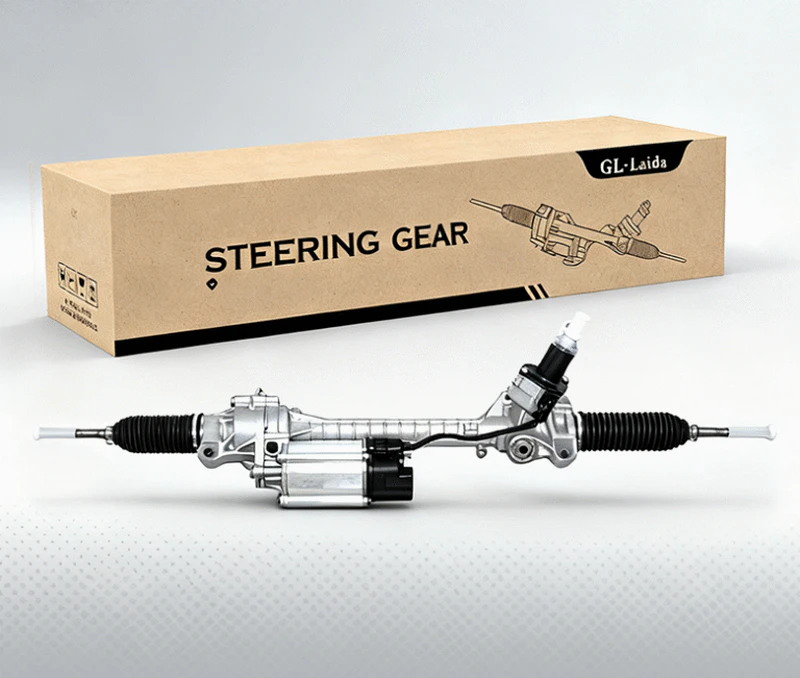
GL-Laida supports aftermarket buyers with electric power steering gear, hydraulic power steering gear, remanufactured steering racks, and related steering parts. For this market, correct application matching is just as important as product supply.
Key Challenges
The electrically powered steering belt drive market is growing, but it also has barriers.
The main challenges are:
- Higher product complexity
- More electronic compatibility requirements
- Need for functional testing before shipment
- Greater importance of packaging protection
- More difficult diagnosis in the repair market
A low-cost part without testing can create expensive warranty problems. Buyers should choose suppliers that can verify fitment and performance.
Conclusion
The electrically powered steering belt drive market is growing because vehicles are becoming heavier, more electric, and more software-controlled. EV adoption, SUV demand, ADAS functions, and efficiency targets are the main drivers.
The best choice for aftermarket buyers is a tested steering supplier that understands both mechanical rack quality and electronic compatibility.