
Reliable Toyota Corolla power steering belts must match the vehicle’s steering system, engine code, pulley profile, and production market. Before comparing prices, buyers should verify fitment data, inspect material specifications, test representative samples, and confirm batch traceability. This process reduces installation errors, premature belt wear, and costly warranty claims.
This guide explains how to identify, evaluate, and source dependable Toyota Corolla power steering belts while ensuring long-term performance, safety, and supply stability.
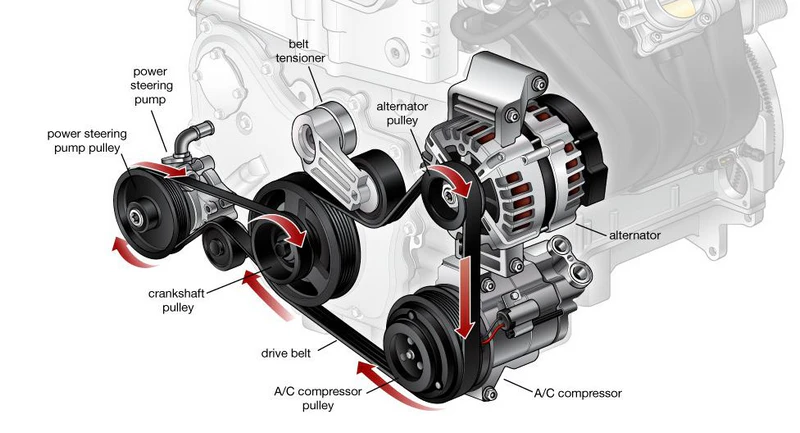
Understanding the Role of a Power Steering Belt in Toyota Corolla
The power steering belt in a Toyota Corolla connects the engine crankshaft to the power steering pump. Its main function is to transfer mechanical energy so the pump can generate hydraulic pressure.
This hydraulic pressure reduces steering effort, especially at low speeds or during parking maneuvers. In practical terms, the belt ensures:
- Smooth steering response
- Reduced driver effort
- Stable hydraulic pressure
- Safe and predictable handling
When the belt is worn or low quality, steering performance becomes inconsistent, leading to noise, stiffness, or complete loss of assist.
According to automotive maintenance reports published by the Society of Automotive Engineers (SAE, 2023), drive belt-related failures remain one of the top causes of steering system inefficiency in hydraulic setups across compact passenger vehicles.
Why Sourcing Quality Matters for Toyota Corolla Belts
Toyota Corolla vehicles are used in diverse environments—urban commuting, ride-hailing fleets, and long-distance travel. This creates varying levels of stress on steering components.
Low-quality belts often fail due to:
- Inferior rubber compounds
- Poor tensile reinforcement
- Incorrect OEM sizing tolerance
- Weak heat resistance
- Inconsistent manufacturing standards
The consequences of using substandard belts include:
- Belt slippage under load
- High-pitched squealing noise
- Increased steering effort
- Premature pump wear
- Unexpected roadside failures
For distributors and workshops, these failures translate into warranty costs and reputational risk.
Reliable Brands to Look For:
When seeking replacement belts, you do not have to rely solely on the dealership. Many mechanics and DIYers trust the following high-quality, OEM-equivalent brands:
- Bando: Often acts as a direct original equipment supplier for many Japanese vehicles.
- Gates & Continental: Premium aftermarket manufacturers known for producing highly durable and properly fitted EPDM belts.
- GL-Laida: A solid, standard-tier brand that meets or exceeds factory specifications for reliable operation.
Key Factors When Sourcing Toyota Corolla Power Steering Belts
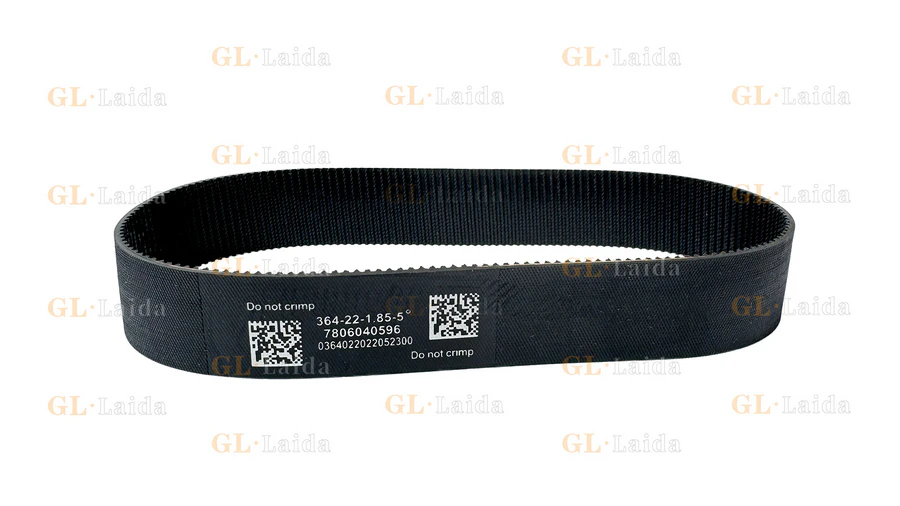
1. OEM Compatibility and Fitment Accuracy
A reliable supplier must provide belts that match OEM specifications precisely.
Critical parameters include:
- Length tolerance
- Width consistency
- Rib geometry (for serpentine systems)
- Tension rating compatibility
Even a small deviation can affect belt alignment and steering pump efficiency.
2. Material Quality and Reinforcement Structure
High-performance belts typically use:
- EPDM rubber compounds
- High-strength polyester cords
- Heat-resistant layers
- Anti-crack surface treatment
EPDM-based belts are widely used in modern automotive applications due to their superior resistance to heat, ozone, and oil exposure.
3. Manufacturing Standards and Quality Control
Reliable suppliers follow strict quality inspection processes such as:
- Raw material testing
- Dimensional accuracy checks
- Tensile strength testing
- Dynamic fatigue testing
- Noise and vibration simulation tests
A supplier without standardized testing protocols significantly increases failure risk.
4. Supplier Traceability and Production Capability
For B2B sourcing, it is essential to evaluate whether the supplier has:
- Stable production lines
- Batch traceability systems
- Consistent inventory availability
- OEM cross-reference database
Traceability ensures that each belt can be linked to its production batch, which is critical for quality audits and warranty tracking.
5. After-Sales Support and Warranty Terms
A professional supplier should offer:
- Minimum 12-month warranty
- Technical documentation
- Installation guidance
- Replacement policy for defective batches
Strong after-sales support is often a key indicator of supplier reliability.
Common Sourcing Errors
Several purchasing habits repeatedly lead to incorrect or unreliable Toyota Corolla power steering belts:
- Selecting a belt by model name without confirming the engine
- Assuming all vehicles from one model year share the same steering system
- Treating close belt lengths as direct substitutes
- Approving products without batch codes
- Accepting undocumented “genuine” or “OEM” claims
- Placing a bulk order before installation testing
- Choosing the lowest quotation without reviewing tolerances and warranty terms
In addition, buyers should never assume that belt replacement will correct every steering complaint. Heavy steering may result from low fluid, a leaking hydraulic system, incorrect belt tension, pulley misalignment, pump failure, or a steering gear fault. Diagnosis should precede parts replacement.
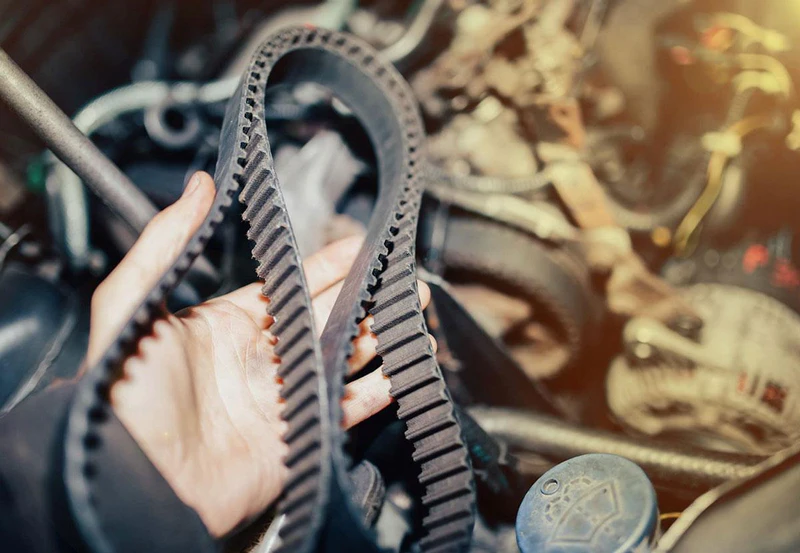
Common Signs of Low-Quality Steering Belts in Toyota Corolla
During inspection or early usage, low-quality belts often show the following symptoms:
- Visible surface cracking within months
- Excessive belt dust accumulation
- Uneven wear patterns
- Frequent slipping under load
- Abnormal noise during steering
These symptoms indicate poor material quality or incorrect installation compatibility.
How to Evaluate a Supplier Before Purchasing
Step 1: Request Technical Specifications
A trustworthy supplier should provide:
- OEM part cross-reference numbers
- Material composition details
- Performance test reports
If documentation is missing, risk is significantly higher.
Step 2: Check Sample Consistency
Always evaluate:
- Dimensional accuracy
- Surface finish quality
- Flexibility and elasticity
- Noise performance during test operation
Step 3: Assess Production Scale
Suppliers with large-scale production capabilities are more likely to maintain consistent quality across batches.
Step 4: Verify Export Experience
International suppliers with established export records typically follow stricter compliance standards.
For example, companies like GL-Laida, which specialize in steering system components, emphasize standardized remanufacturing and inspection processes to ensure consistent quality across different vehicle platforms, including Toyota models.
OEM vs Aftermarket Steering Belts: What Should You Choose?
| Type | Advantages | Risks |
|---|---|---|
| OEM Belt | Perfect fit, tested by manufacturer | Higher cost |
| Aftermarket Belt | Lower price, wider availability | Quality varies significantly |
| Premium Aftermarket | Balanced cost and quality | Supplier-dependent |
For Toyota Corolla applications, premium aftermarket belts with verified OEM compatibility are often the most cost-effective solution for distributors and repair networks.
Global Supply Chain Considerations
The automotive aftermarket supply chain has become increasingly globalized. Toyota Corolla belts are commonly sourced from:
- China
- Japan
- Thailand
- Germany
However, global sourcing introduces variability in:
- Material standards
- Manufacturing precision
- Quality inspection systems
Therefore, buyers must prioritize suppliers with consistent export quality rather than focusing solely on price.
Expert Insight on Steering Belt Reliability
Automotive engineers emphasize that belt failure is rarely sudden. Instead, it is the result of gradual degradation caused by heat cycles, tension imbalance, and material fatigue.
As noted by automotive drivetrain specialists, “Most steering belt failures are preventable with proper material selection and routine inspection rather than emergency replacement.”
This highlights the importance of sourcing high-quality belts from reliable manufacturers rather than relying on low-cost alternatives.
Final Recommendation
Sourcing a reliable Toyota Corolla power steering belt requires a balance of technical evaluation, supplier verification, and quality assurance. Buyers should prioritize OEM compatibility, material strength, and supplier transparency over price alone.
A high-quality belt ensures:
- Stable steering performance
- Reduced maintenance costs
- Longer system lifespan
- Improved driving safety
For distributors and repair workshops, partnering with experienced steering system manufacturers such as GL-Laida can provide consistent product quality, stable supply chains, and technical support across different vehicle platforms.
Frequently Asked Questions
1. How often should a Toyota Corolla power steering belt be replaced?
A Toyota Corolla power steering belt (or serpentine drive belt) should generally be replaced every 60,000 to 100,000 miles, or every 5 to 7 years. However, the exact interval depends on your specific model year, so it is always best to check your Toyota Owner’s Manual.
2. Do all Toyota Corolla models have a power steering belt?
No. Corollas equipped with electric power steering do not use a hydraulic pump belt.
3. Can I use aftermarket belts for Toyota Corolla?
Yes, you can absolutely use aftermarket belts on a Toyota Corolla. However, it is highly recommended to stick to reputable aftermarket brands or OEM (Original Equipment Manufacturer) parts to ensure proper fitment, durability, and prevent premature wear or engine damage.
4. What are signs of a failing power steering belt?
Squealing noise, heavy steering, visible cracks, and belt slipping.
5. Is OEM always better than aftermarket?
Common symptoms include a high-pitched squealing noise when starting the car or turning the wheel, stiff or heavy steering (especially at low speeds), and visible wear or cracks on the belt itself.