
Steering rack damage usually starts with a practical fault: leaking fluid, torn boots, contaminated oil, road impact, worn tie rods, or poor installation. Once the rack loses lubrication, sealing, or alignment, wear develops quickly. This guide explains the main causes, visible warning signs, inspection steps, and when replacement becomes the better repair choice.
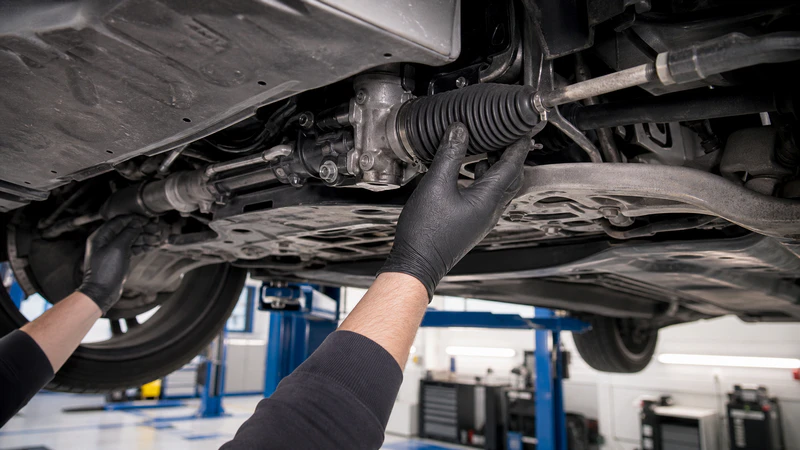
Steering Rack Basics
A steering rack is the main mechanical unit in a rack-and-pinion steering system. When the driver turns the steering wheel, the pinion gear moves the rack bar left or right. That movement passes through the tie rods and changes the front wheel angle.
In hydraulic power steering systems, the rack also uses fluid pressure to reduce steering effort. In electric power steering systems, assist comes from an electric motor, but the rack still depends on clean movement, secure mounting, and correct alignment.
In workshop terms, a rack needs three things: clean fluid, intact protection, and stable geometry. If one fails, steering rack damage often follows.
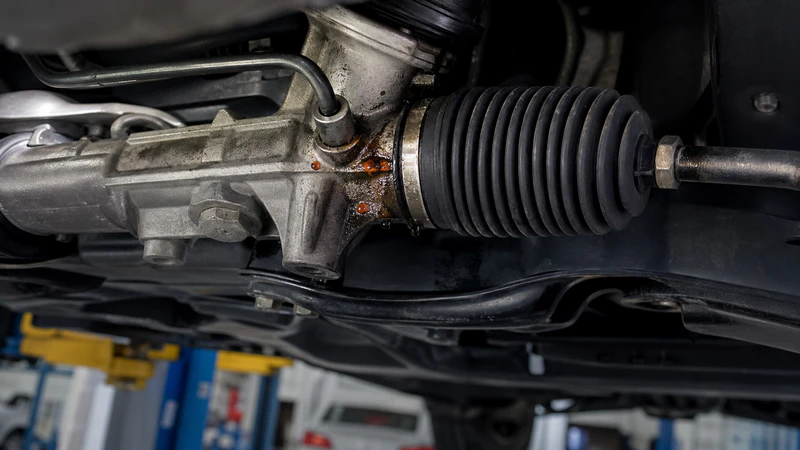
Fluid Leaks and Low Lubrication
Hydraulic steering racks depend on power steering fluid for pressure, lubrication, and heat control. When fluid leaks from rack seals, hoses, fittings, or the pump, the system may still work for a while. However, internal components begin to wear faster once lubrication drops.
Maryland vehicle inspection rules note that leakage-related loss of lubrication can lead to excessive wear and free play in rack-and-pinion assemblies (Maryland COMAR, accessed July 18, 2026). That is why a leaking rack should not be treated as a minor stain under the car.
Common signs include:
- Oily fluid near the rack boots
- Heavy steering at low speed
- Whining noise while turning
- Frequent fluid top-ups
- Steering that feels uneven from side to side
Contaminated Power Steering Fluid
Dirty fluid is another common cause of steering rack damage. Metal particles, rubber debris, moisture, and degraded oil can abrade seals and polished internal surfaces. This problem often appears after pump failure or after a rack replacement where the system was not flushed.
A replacement rack can fail early if old contamination remains in the reservoir, hoses, or pump. Therefore, fluid condition matters as much as the part itself.
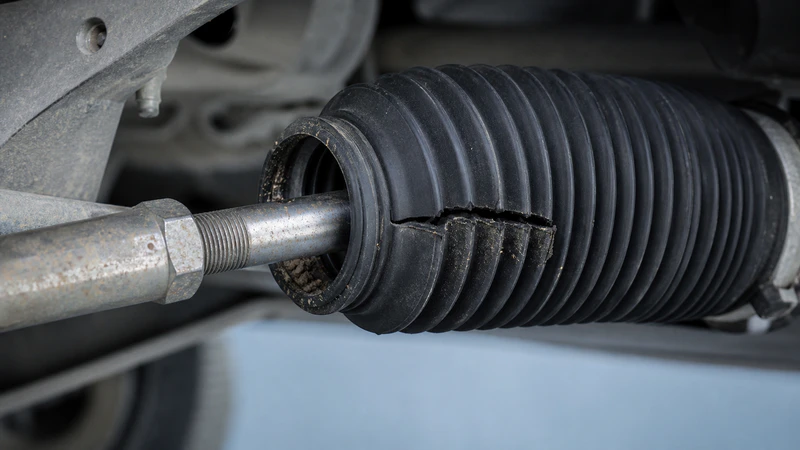
Torn Rack Boots
Steering rack boots, also called gaiters or bellows, protect the rack bar and inner tie rod area from water, sand, salt, and road dirt. When a boot splits, contamination enters. Rust can then form on smooth surfaces, and the inner tie rod joint may lose free movement.
The UK MOT inspection manual lists damaged steering rack gaiters, excessive steering movement, power steering leaks, and rough steering operation as defects (GOV.UK, updated June 1, 2026). This confirms that rack boots are functional protection parts, not decorative covers.
Road Impact and Alignment Stress
Potholes, curbs, road debris, and collision damage can bend steering linkage or stress the rack housing. Sometimes the vehicle still drives normally at first, but the steering wheel is no longer centered or the alignment will not hold.
Impact-related damage may cause:
- Bent inner or outer tie rods
- Loose or damaged rack mounts
- Cracked rack housing
- Uneven steering effort
- Repeated tire wear after alignment
After a hard road impact, the inspection should include the rack, tie rods, control arms, wheel bearings, tires, and subframe mounting points.
Age and High Mileage
Even a properly maintained steering rack wears over time. Seals harden, bushings compress, gear contact surfaces develop play, and joints loosen. This is especially relevant as vehicles remain in service longer.
S&P Global Mobility reported that the average age of U.S. light vehicles reached 12.8 years in 2025, with vehicles in operation rising to 289 million (S&P Global Mobility, May 21, 2025). Older vehicles naturally increase demand for steering inspection, repair, and replacement parts.
Poor Installation and Wrong Parts
A steering rack can also be damaged by poor repair practice. The replacement part may be suitable, but the installation can still create a failure.
Common errors include:
- Installing the wrong rack for the vehicle application
- Reusing contaminated fluid
- Failing to flush hydraulic lines
- Damaging rack boots during fitting
- Ignoring worn tie rods
- Tightening mounts incorrectly
- Setting alignment before mechanical looseness is repaired
For distributors and repair shops, fitment confirmation should include VIN, OEM number, steering direction, engine type, and vehicle market.
Symptoms of Steering Rack Damage
| Symptom | Possible Cause | Recommended Check |
|---|---|---|
| Heavy steering | Low fluid, pump fault, internal wear | Check fluid, pressure, and rack movement |
| Steering play | Worn rack, tie rods, bushings | Inspect linkage and rack mounts |
| Fluid leak | Failed seal, hose, or fitting | Locate the leak before replacing parts |
| Clunking noise | Loose mount or worn tie rod | Inspect under load on a lift |
| Poor return to center | Binding rack or poor alignment | Check alignment and joint movement |
| Uneven tire wear | Loose steering or suspension parts | Inspect steering and suspension together |
Not every steering complaint means the rack itself has failed. A proper diagnosis should also check the pump, belt, hoses, suspension joints, wheel alignment, and tires.
Inspection and Prevention
Preventing steering rack damage is usually cheaper than replacing the rack after failure. OSHA vehicle safety guidance notes that vehicle maintenance should follow manufacturer specifications and include checks of steering functions and fluid levels (OSHA, accessed July 18, 2026).
Practical prevention includes:
- Check power steering fluid level and condition.
- Replace torn rack boots early.
- Repair leaks instead of repeatedly topping up fluid.
- Flush the hydraulic system after pump or rack failure.
- Inspect steering parts after pothole or curb impact.
- Use the correct fluid and replacement parts.
- Confirm wheel alignment after steering repairs.
Replacement and Supplier Quality
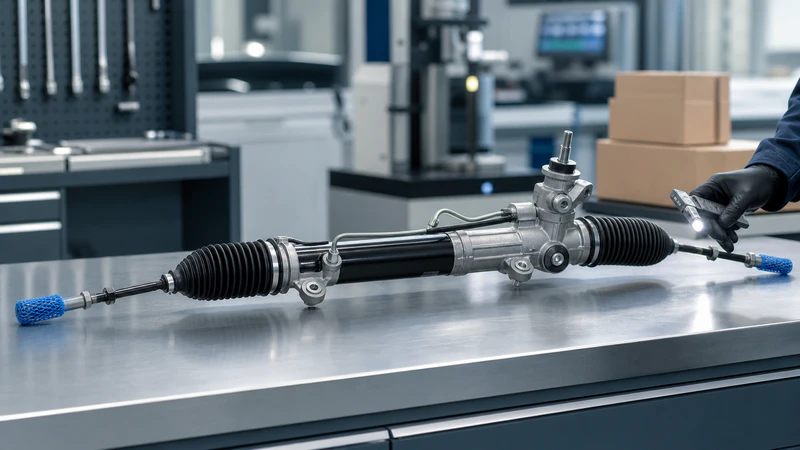
When the rack has internal leakage, binding, structural damage, or excessive play, replacement is often the safest repair. For aftermarket buyers, the replacement unit should be inspected, cleaned, resealed where required, reassembled to the correct application, tested for function and leakage, and packed securely.
GL-Laida supplies remanufactured steering racks, electric power steering gear, hydraulic power steering gear, and steering parts for aftermarket distributors and repair businesses. The best choice is a steering rack supplier that verifies fitment, tests products before shipment, and provides clear warranty support.
Conclusion
Steering rack damage is mainly caused by fluid leaks, contamination, torn boots, road impact, poor installation, and normal wear. The best repair decision starts with diagnosis. If the rack is leaking, binding, loose, or physically damaged, a correctly matched and tested replacement rack is usually the best choice.
More : Steering Rack Parts Explained: Function, Failure and Fixes
Frequently Asked Questions
Can low power steering fluid damage the steering rack?
Yes, low power steering fluid can severely damage the steering rack. The fluid acts as both a hydraulic pressure medium and a lubricant for the internal seals and metal parts. Without it, increased friction and heat build up, leading to premature wear, seal failure, and metallic debris damaging the rack.
Are torn steering rack boots serious?
Yes, torn steering rack boots are quite serious. While they do not hold pressurized fluid, their accordion-like shape protects your inner tie rod joints and steering rack seals from dirt, water, and road debris. Ignoring them will likely cause accelerated wear and result in much costlier repairs down the road.
Can a pothole damage a steering rack?
Yes. A severe impact can bend tie rods, stress rack mounts, or damage the rack housing.
Is a leaking steering rack repairable?
Sometimes. Minor external issues may be repairable, but internal seal wear often requires rack replacement.
What is the best way to prevent steering rack damage?
Inspect fluid, boots, tie rods, and mounting points regularly. Repair leaks early and use correctly matched replacement parts.