
A power steering belt sends power from the engine to the power steering pump, helping the steering system work properly. When the belt is worn, loose, or damaged, the steering may feel heavy, make noise, or become harder to control. Knowing the common signs and replacement steps can help drivers, repair technicians, and parts suppliers choose the right solution before the problem gets worse.
This guide covers common power steering belt problems, warning signs, and basic replacement tips to keep the steering system safe and reliable.
What Does a Power Steering Belt Do?
The power steering belt connects the engine crankshaft pulley to the power steering pump. Its main function is to transmit rotational energy so the pump can generate hydraulic pressure.
This hydraulic pressure assists the driver by:
- Reducing steering effort
- Improving maneuverability at low speeds
- Enhancing steering precision
- Supporting vehicle stability during turns
When the belt fails or becomes inefficient, the steering system loses hydraulic support, making the vehicle harder to control.
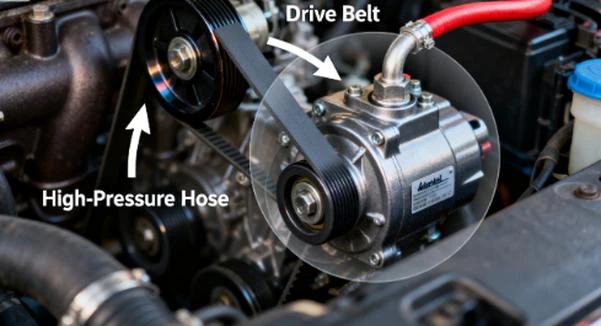
Common Power Steering Belt Problems
Power steering belt issues usually develop gradually. Early detection can prevent more serious steering system damage.
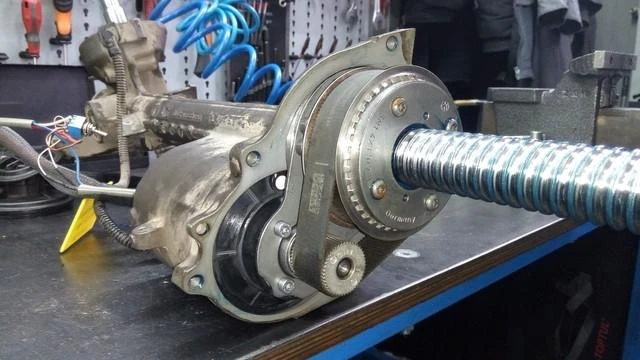
1. Belt Slippage
One of the most common problems is belt slippage.
This occurs when the belt loses proper grip on the pulley.
Causes include:
- Loose belt tension
- Worn rubber surface
- Oil or coolant contamination
- Misaligned pulleys
Slippage reduces power transfer efficiency and causes inconsistent steering assist.
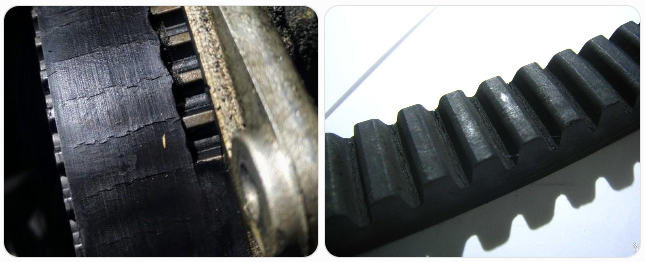
2. Cracks and Surface Wear
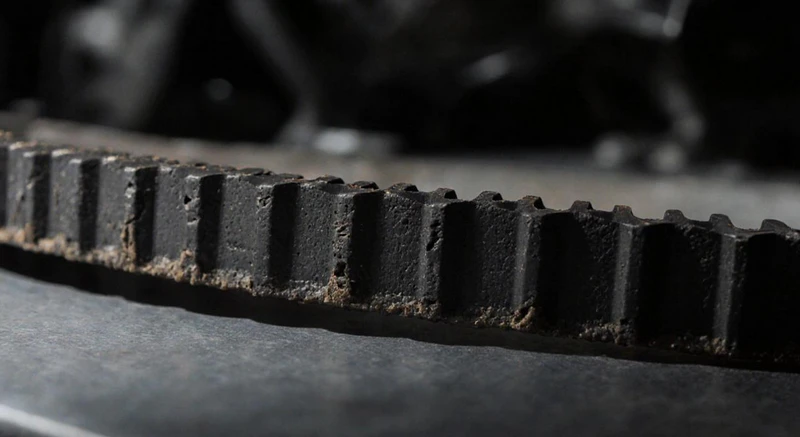
Over time, heat and friction cause the belt material to degrade.
Visible signs include:
- Small surface cracks
- Frayed edges
- Hardened rubber texture
- Glazing on belt surface
Cracks indicate that the belt is nearing the end of its service life.
3. Belt Misalignment
If the belt is not properly aligned with the pulleys, it can wear unevenly.
Misalignment leads to:
- Uneven wear patterns
- Increased vibration
- Premature failure
Pulley inspection is essential during diagnosis.
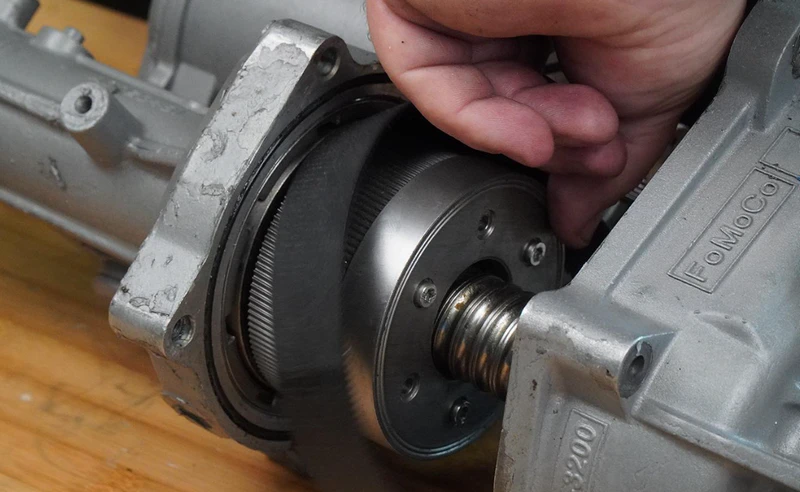
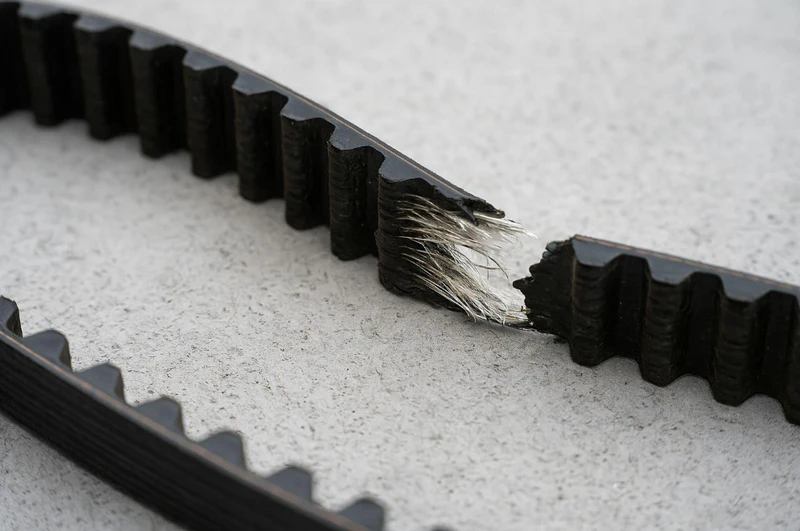
4. Complete Belt Failure
In severe cases, the belt may break entirely.
This results in:
- Total loss of power steering assist
- Extremely heavy steering
- Potential safety risks during driving
Immediate vehicle stop and repair are required.
Symptoms of a Failing Power Steering Belt
Recognizing symptoms early is critical for safe driving and cost-effective repairs.
Heavy Steering Wheel
One of the earliest symptoms is increased steering resistance.
Drivers may notice:
- Difficulty turning at low speeds
- Reduced steering smoothness
- Increased effort during parking
Steering Noise
Noise is often the first audible warning.
Common sounds include:
- Squealing
- Grinding
- Chirping
These noises usually indicate slippage or wear.
Vibration in Steering Wheel
A damaged belt can cause irregular power delivery, resulting in vibration.
This may feel like:
- Shaking during turns
- Intermittent steering feedback
- Unstable steering response
Intermittent Power Steering Assist
In some cases, steering assist may work inconsistently.
This happens when:
- The belt slips intermittently
- Tension fluctuates during operation
Visible Belt Damage
A simple visual inspection can reveal:
- Cracks
- Fraying
- Glazing
- Missing ribs (for serpentine belts)
Causes of Power Steering Belt Failure
Understanding the root causes helps prevent repeated failures.
Heat Exposure
Engine heat gradually hardens rubber materials, reducing flexibility and strength.
Improper Tension
Incorrect belt tension is a major cause of failure:
- Too loose → slippage
- Too tight → excessive wear on pulleys and bearings
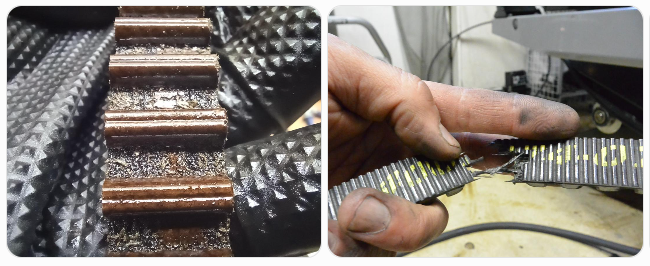
Contamination
Oil leaks or coolant exposure can degrade belt material quickly.
Aging
Even under normal conditions, belts degrade over time due to material fatigue.
Faulty Pulleys
Damaged or misaligned pulleys create uneven stress distribution on the belt.
Power Steering Belt Replacement Guide
Replacing a power steering belt requires proper inspection, correct tools, and attention to system alignment.
Step 1: Inspect the Belt System
Before replacement, check:
- Belt condition
- Pulley alignment
- Tension level
- Presence of oil contamination
If other components are damaged, they should be repaired simultaneously.
Step 2: Release Belt Tension
Use a tensioner tool or loosen the adjustment bolt (depending on vehicle type).
Carefully release tension to remove the belt.
Step 3: Remove the Old Belt
Slide the belt off the pulleys while noting the routing path.
Incorrect routing is a common installation mistake.
Step 4: Install the New Belt
Place the new belt following the correct pulley routing diagram.
Ensure:
- Proper seating on all pulleys
- No twisting or misalignment
Step 5: Adjust Belt Tension
Set correct tension according to manufacturer specifications.
Proper tension ensures:
- Stable power transfer
- Reduced noise
- Longer belt life
Step 6: Test the System
Start the engine and observe:
- Steering smoothness
- Noise levels
- Belt stability under load
Preventive Maintenance Tips
Proper maintenance significantly extends belt life.
- Inspect belts every 10,000–20,000 miles
- Replace worn pulleys immediately
- Avoid exposure to oil leaks
- Maintain correct tension levels
- Use high-quality replacement belts
Regular inspection reduces unexpected breakdowns.
Expert Insight on Steering Belt Reliability
Automotive engineers emphasize that most belt failures are preventable. According to drivetrain maintenance specialists, consistent inspection and correct installation practices can extend belt lifespan by up to 40% under normal driving conditions.
Manufacturers such as GL-Laida highlight that quality control in material selection and tension stability plays a crucial role in reducing steering system failures across different vehicle applications.
Final Recommendation
Power steering belt problems should never be ignored. Early symptoms such as noise, heavy steering, or visible wear often indicate underlying system issues that can escalate quickly.
For safe and reliable vehicle operation:
- Replace belts at the first sign of wear
- Maintain proper tension
- Inspect pulleys regularly
- Use high-quality replacement components
A properly functioning power steering belt ensures smooth steering, improved safety, and consistent driving performance.