
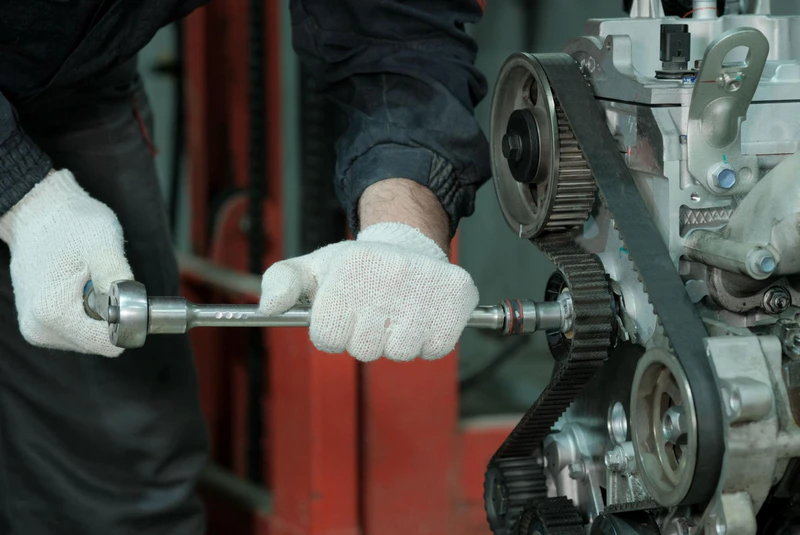
A power steering belt transfers power from the engine to the power steering pump, helping the steering system work smoothly. When the belt is worn, loose, or poor quality, the vehicle may become harder to steer and less safe to drive. For repair shops, distributors, and technicians, choosing the right power steering belt is important for stable performance and fewer replacement problems.
What Is a Power Steering Belt?
A power steering belt connects the engine crankshaft pulley to the power steering pump. Its primary function is to drive the pump so it can generate hydraulic pressure for steering assistance.
In simple terms:
- Engine rotates the belt
- Belt drives the power steering pump
- Pump creates hydraulic pressure
- Hydraulic pressure reduces steering effort
Without a properly functioning belt, the steering system loses efficiency, making the vehicle harder to control, especially at low speeds.
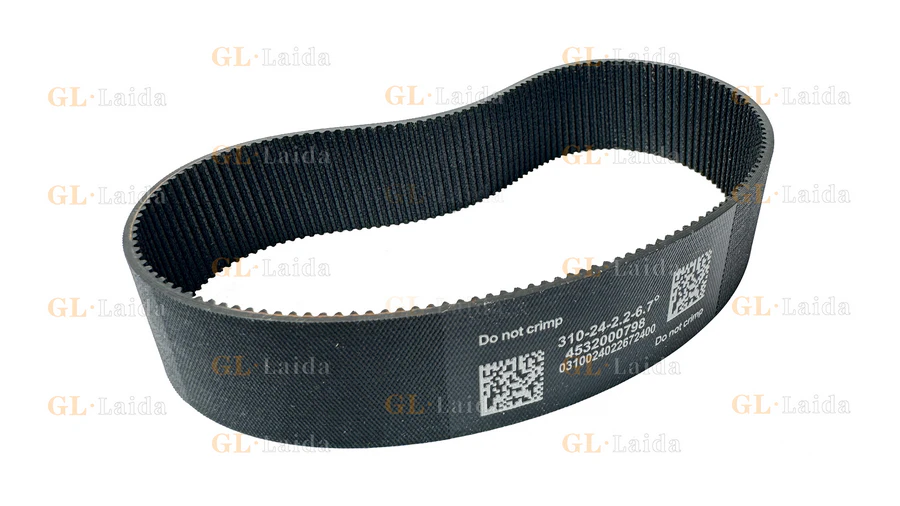
Why High-Performance Power Steering Belts Matter
Standard belts are often sufficient for basic driving conditions, but they may not perform well under heavy load, extreme temperatures, or long-term stress.
High-performance power steering belts are designed to address these challenges.
Key advantages include:
- Higher tensile strength
- Improved heat resistance
- Reduced slippage under load
- Longer service life
- Better compatibility with modern steering systems
According to automotive drivetrain reliability studies published by SAE International (2023), upgraded belt materials can improve service life by up to 30–50% under high-load operating conditions.
Key Features of High-Performance Power Steering Belts
1. Advanced Rubber Compounds
High-performance belts typically use EPDM (Ethylene Propylene Diene Monomer) rubber.
This material provides:
- Excellent heat resistance
- Strong resistance to cracking
- Stability under high engine temperatures
- Long-term elasticity retention
EPDM belts outperform traditional neoprene belts in durability and environmental resistance.
2. Reinforced Cord Structure
Inside the belt, high-strength polyester or aramid fibers are used.
These reinforcements provide:
- Improved load-bearing capacity
- Reduced stretching over time
- Stable torque transmission
- Resistance to sudden failure
This structure ensures consistent performance even under high steering loads.
3. Precision Manufacturing Tolerance
High-performance belts are manufactured with strict dimensional accuracy.
This ensures:
- Proper pulley alignment
- Reduced vibration
- Smooth operation
- Minimal noise generation
Even minor deviations in belt size can lead to slipping or premature wear.
Common Problems in Low-Quality Power Steering Belts
Low-quality or worn belts often fail under real-world driving conditions.
Belt Slippage
Slippage occurs when the belt loses grip on the pulley.
Symptoms include:
- Squealing noise during steering
- Reduced hydraulic pressure
- Delayed steering response
Heat Degradation
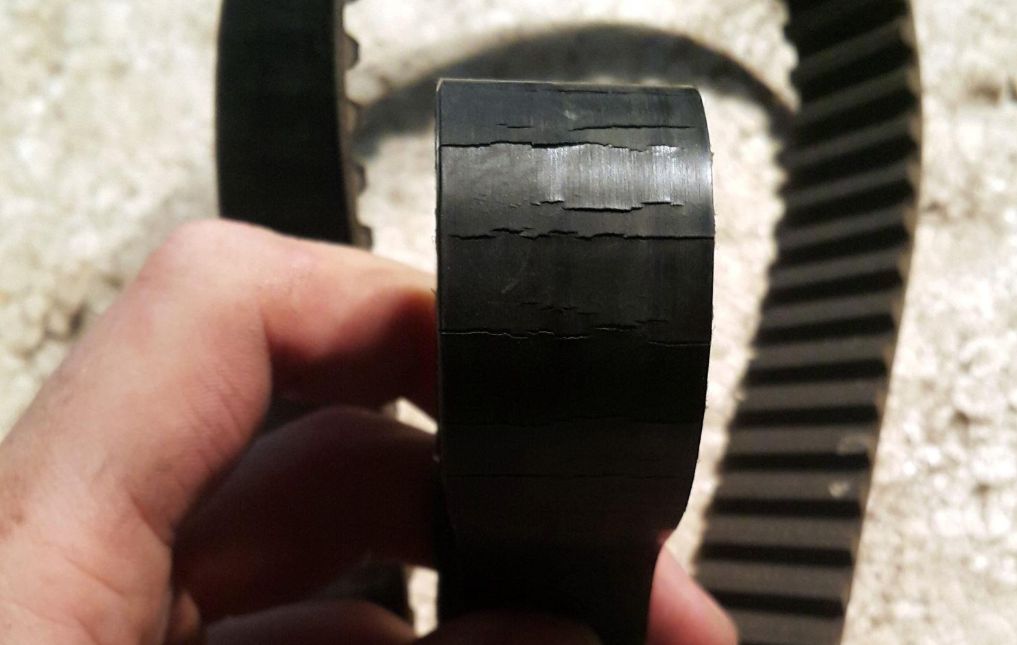
Excessive engine heat can harden rubber materials, causing cracks and surface damage.
Uneven Wear
Poor manufacturing quality or misaligned pulleys can lead to:
- Fraying edges
- Surface glazing
- Irregular belt tension
Sudden Belt Failure
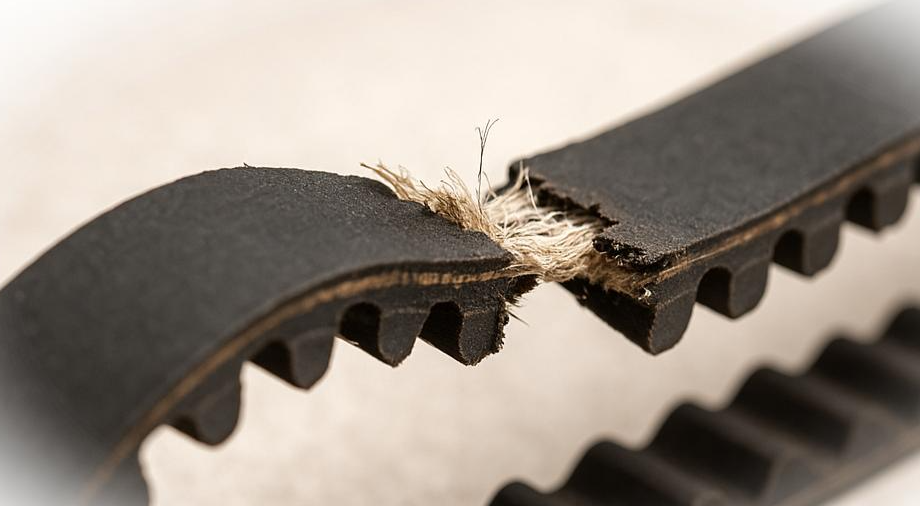
In severe cases, the belt may break completely, resulting in total loss of power steering assist.
Signs That a Power Steering Belt Needs Replacement
Recognizing early warning signs is essential in auto repair environments.
Common indicators include:
- High-pitched squealing noise
- Heavy steering feel
- Visible cracks or wear marks
- Belt looseness or tension issues
- Steering vibration at low speeds
Professional technicians often recommend inspection every 30,000–50,000 miles depending on vehicle usage conditions.
High-Performance Belt vs Standard Belt
| Feature | Standard Belt | High-Performance Belt |
| Material | Basic rubber | EPDM advanced compound |
| Heat Resistance | Moderate | High |
| Service Life | Shorter | Extended |
| Load Capacity | Standard | Enhanced |
| Noise Control | Average | Improved |
| Cost | Lower | Slightly higher |
While high-performance belts may cost more initially, they reduce long-term maintenance costs and improve reliability.
Importance in Auto Repair and Replacement Market
For automotive workshops and distributors, power steering belts represent a high-frequency replacement item.
High-performance belts offer several business advantages:
- Lower warranty claims
- Higher customer satisfaction
- Reduced repeat repairs
- Better vehicle reliability outcomes
In competitive repair markets, offering premium-grade steering components is increasingly becoming a standard expectation.
Expert Insight on Steering Belt Reliability
Automotive engineers emphasize that belt failure is rarely isolated. Instead, it often reflects system-wide stress conditions.
As noted by drivetrain specialists, “A high-performance belt does not only improve durability—it stabilizes the entire steering system by maintaining consistent hydraulic pressure under varying engine loads.”
This highlights the importance of selecting belts that match real-world driving demands rather than minimum OEM specifications.
Maintenance Tips for Longer Belt Life
Proper maintenance significantly extends belt performance.
Regular Inspection
Check for:
- Cracks
- Fraying
- Surface glazing
- Misalignment
Maintain Correct Tension
Incorrect tension is one of the leading causes of premature failure.
Avoid Contamination
Oil leaks or coolant exposure can degrade belt material quickly.
Replace Worn Pulleys
Damaged pulleys can cause uneven belt wear and vibration.
Role of Manufacturers in Belt Quality
The reliability of a power steering belt depends heavily on manufacturing standards.
Professional automotive parts suppliers such as GL-Laida emphasize:
- Strict raw material selection
- Multi-stage quality testing
- Consistent production tolerances
- Application-specific design compatibility
These processes ensure that high-performance belts maintain stability across different vehicle platforms and operating environments.
Final Recommendation
High-performance power steering belts are essential components in modern auto repair and replacement markets. They offer improved durability, better heat resistance, and more stable steering performance compared to standard belts.
For repair shops and distributors, investing in higher-grade belts ensures:
- Fewer customer complaints
- Longer service intervals
- Improved steering system reliability
- Higher overall vehicle safety
In practical terms, selecting a high-performance belt is not just a replacement decision—it is a long-term reliability strategy for the entire steering system.
Frequently Asked Questions
1. What is a high-performance power steering belt?
high-performance power steering belt is an aftermarket upgrade designed with advanced materials like Aramid (Kevlar) or high-strength polyester cord and precision-ground EPDM rubber.
2. How long does a high-performance belt last?
Typically between 60,000 and 100,000 miles depending on driving conditions.
3. Can I replace a standard belt with a high-performance one?
Yes, absolutely. As long as it matches OEM specifications and pulley compatibility.
4. What causes power steering belt failure?
Heat, tension issues, contamination, and material fatigue are the main causes.
5. Is it worth upgrading to a high-performance belt?
Yes, especially for vehicles operating under heavy load or high-temperature conditions.