
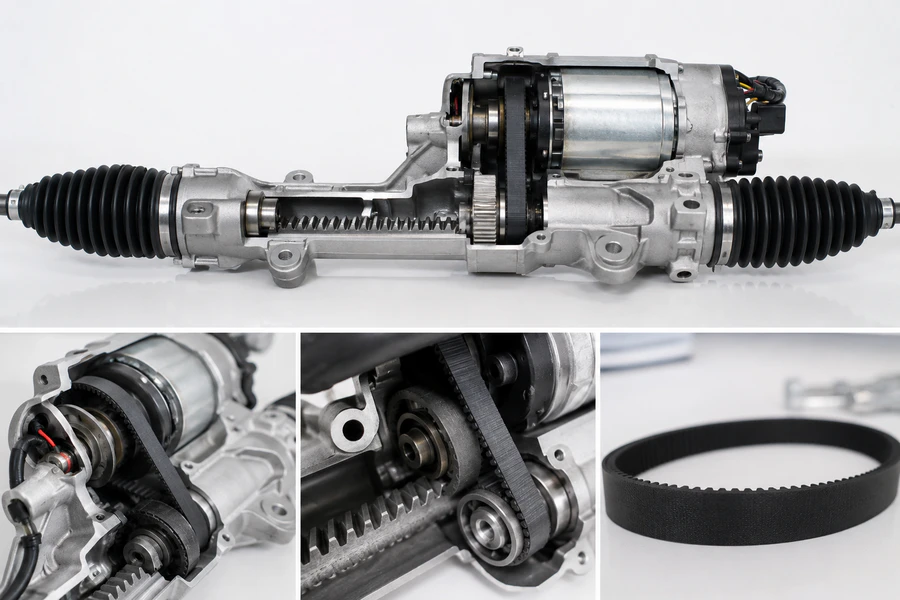
Power steering belts are a small but crucial component in many hydraulic power steering systems. It transfers engine power to the power steering pump, allowing drivers to steer smoothly with minimal effort. When the belt wears out, slips, or breaks, steering performance can quickly deteriorate, affecting both comfort and safety.
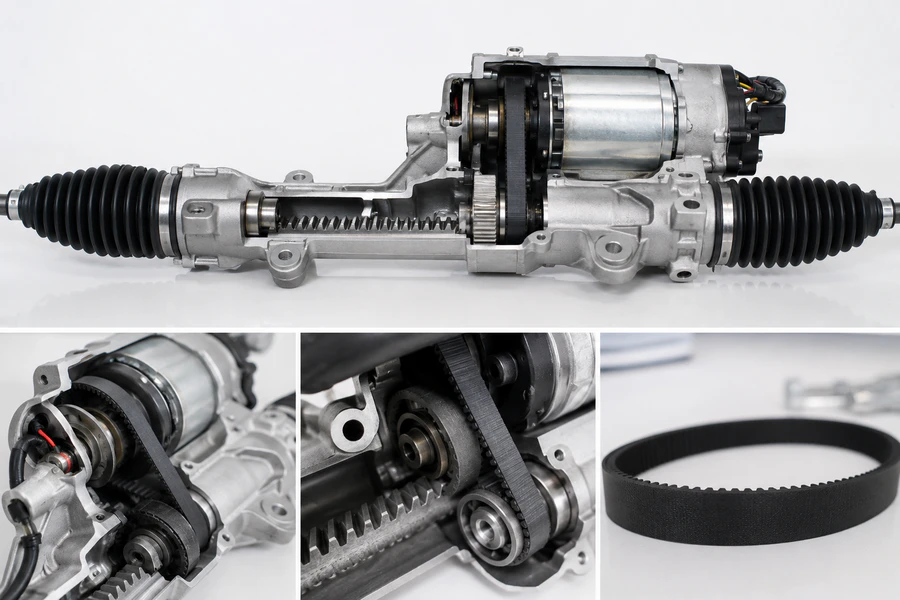
What Is a Power Steering Belt?
A power steering belt, often referred to as a drive belt or serpentine belt in modern vehicles, connects the engine’s crankshaft pulley to the power steering pump. As the engine runs, the belt rotates the pump, generating the hydraulic pressure needed to assist steering.
Without a properly functioning power steering belt, the pump cannot deliver sufficient pressure, making the steering wheel significantly harder to turn.
Although electric power steering (EPS) systems have become increasingly common, millions of vehicles worldwide still rely on hydraulic power steering systems powered by belts.
How Does a Power Steering Belt Work?
The operation of a power steering belt is relatively simple but extremely important.
The process works as follows:
- The engine rotates the crankshaft pulley.
- The power steering belt transfers rotational energy.
- The belt drives the power steering pump.
- The pump generates hydraulic pressure.
- Hydraulic pressure assists steering movement.
As a result, drivers can turn the steering wheel with less physical effort, especially when parking, making tight turns, or driving at low speeds.
Without this assistance, steering can become heavy and difficult, particularly in larger vehicles.
Why Is the Power Steering Belt Important?
Many drivers overlook the power steering belt because it is hidden under the hood. However, its role in vehicle control should not be underestimated.
Ensures Smooth Steering
The primary function of the power steering belt is to keep the power steering pump operating efficiently.
Benefits include:
- Easier steering input
- Reduced driver fatigue
- Improved low-speed maneuverability
- Better parking performance
Supports Driving Safety
Steering responsiveness is critical for vehicle safety.
A properly functioning power steering system helps drivers:
- Maintain vehicle control
- React quickly to road conditions
- Navigate tight corners safely
- Avoid sudden obstacles
Protects Steering Components
When the belt functions correctly, hydraulic pressure remains stable throughout the steering system.
This reduces stress on:
- Power steering pump
- Steering rack
- Hoses
- Seals
Consistent operation helps extend the service life of these components.
What Happens When a Power Steering Belt Fails?
Like any rubber component, a power steering belt gradually wears over time.
Heat, friction, contamination, and age all contribute to deterioration.
When failure occurs, steering performance is often affected immediately.
Common Symptoms of a Bad Power Steering Belt
The following signs often indicate belt wear or damage.
| Symptom | Possible Cause |
| Squealing noise | Belt slipping |
| Heavy steering | Reduced pump operation |
| Cracks on belt surface | Aging rubber |
| Steering wheel vibration | Belt tension issues |
| Intermittent steering assist | Belt wear or misalignment |
| Complete loss of power steering | Broken belt |
Recognizing these symptoms early can prevent more serious repairs.
How Does a Bad Power Steering Belt Affect Driving?
A worn or damaged power steering belt can significantly change the driving experience.
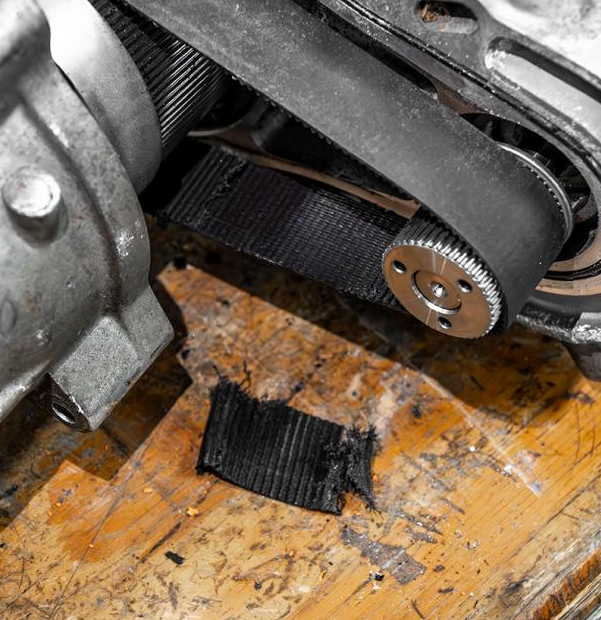
Steering Becomes Heavy
This is usually the first symptom drivers notice.
Without sufficient hydraulic assistance:
- Turning requires more effort
- Parking becomes difficult
- Low-speed maneuvering feels uncomfortable
The problem is particularly noticeable in larger vehicles such as SUVs and trucks.
Increased Steering Wheel Resistance
Drivers may feel resistance while turning.
Instead of smooth operation, the steering wheel may feel:
- Stiff
- Uneven
- Jerky
This reduces steering precision and overall driving comfort.
Unusual Noises While Steering
A slipping power steering belt often produces high-pitched squealing sounds.
These noises commonly occur:
- During startup
- While turning sharply
- During cold weather
Ignoring belt noise can eventually lead to complete belt failure.
Reduced Vehicle Control
Although a vehicle can still be driven after losing power steering assistance, steering effort increases substantially.
In emergency situations, this reduced responsiveness may impact vehicle control.
What Causes Power Steering Belt Failure?
Several factors contribute to belt deterioration.
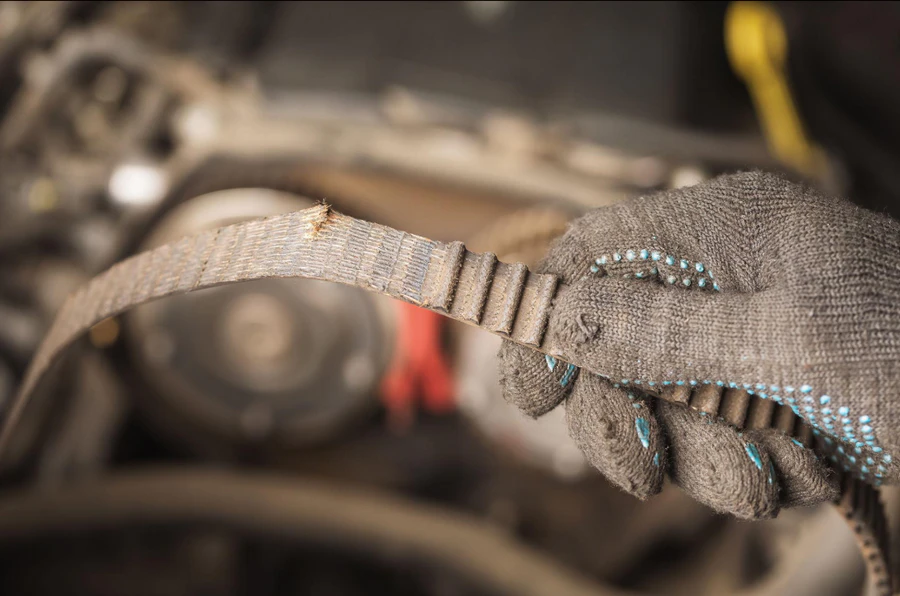
Natural Wear and Aging
Most power steering belts are made from reinforced rubber compounds.
Over time, rubber becomes:
- Harder
- Less flexible
- More prone to cracking
Regular inspection is essential.
Incorrect Belt Tension
A belt that is too loose may slip.
A belt that is too tight may accelerate wear on:
- Bearings
- Pulleys
- Power steering pump components
Proper tension ensures efficient power transfer.
Oil or Fluid Contamination
Leaks from nearby engine components can damage the belt material.
Contaminated belts often experience:
- Premature wear
- Reduced grip
- Increased slippage
Pulley Misalignment
Misaligned pulleys create uneven belt wear.
This may shorten belt life and affect steering performance.
How Long Does a Power Steering Belt Last?
Service life varies depending on vehicle type, driving conditions, and maintenance habits.
Generally, manufacturers recommend inspecting drive belts every 30,000 to 60,000 miles.
Many belts can last:
- 60,000 to 100,000 miles
- 5 to 8 years under normal conditions
However, visual inspection is often more reliable than mileage alone.
Replace the belt if you notice:
- Cracks
- Fraying
- Glazing
- Excessive wear
How to Prevent Power Steering Belt Problems
Preventive maintenance is the most effective strategy.
Inspect the Belt Regularly
Look for:
- Surface cracks
- Missing ribs
- Edge wear
- Signs of contamination
Early detection reduces repair costs.
Check Belt Tension
Improper tension is a leading cause of belt failure.
Routine inspections can identify adjustment issues before damage occurs.
Repair Fluid Leaks Promptly
Oil and hydraulic fluid can quickly degrade rubber components.
Addressing leaks protects both the belt and surrounding steering components.
Replace Worn Components
A damaged pulley or failing power steering pump can place additional stress on the belt.
Replacing worn parts helps maintain system reliability.
According to the engineering team at GL-Laida, routine inspections of power steering system components can identify belt-related issues before they lead to pump damage or steering performance loss.
Conclusion
A power steering belt may be small, but it is essential for smooth steering and safe driving. It transfers engine power to the power steering pump, helping drivers steer with less effort.
If you notice squealing noises, heavy steering, belt cracks, or reduced steering response, have the belt checked and replaced if needed. Early maintenance can help avoid costly repairs and keep your vehicle operating safely.
For repair shops, distributors, and vehicle owners, choosing quality steering system components and maintaining them regularly remains the best approach to ensuring long-term reliability. Professional steering system manufacturers such as GL-Laida emphasize quality control and component durability to support dependable steering performance.
Frequently Asked Questions
Can I drive with a bad power steering belt?
Yes, but it is not recommended. If the belt fails to transmit power, the steering wheel will feel stiff, which can make driving unsafe, especially at low speeds or when turning.
What noise does a failing power steering belt make?
A worn or slipping belt often produces a squealing or screeching noise, particularly during startup or turning.
How often should a power steering belt be replaced?
Most belts should be inspected every 30,000 to 60,000 miles and replaced when signs of wear appear.
Will a broken power steering belt damage the steering rack?
Indirectly, yes. Loss of hydraulic assistance can place additional stress on steering system components over time.
Is the power steering belt the same as a serpentine belt?
In many modern vehicles, the power steering pump is driven by the serpentine belt. Older vehicles may use a dedicated power steering belt.