
A steering rack is one of the most important components in a vehicle’s steering system. While most drivers are focused on the steering wheel, the actual control of the vehicle’s direction depends on the multiple parts of the steering gear strip working together. Understanding these components, their functions, and the warning signs of potential malfunctions can help you avoid costly repairs and improve driving safety.
What Are Steering Rack Parts?
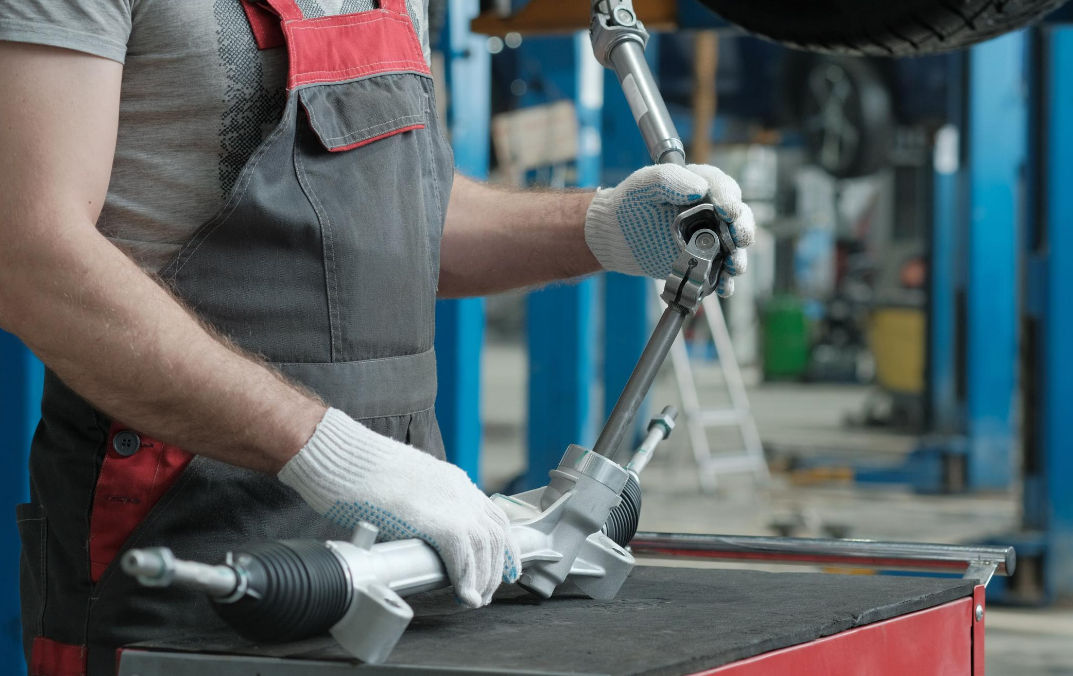
Steering rack parts are the internal and external components that convert the rotational movement of the steering wheel into the linear movement needed to turn the wheels.
Modern steering systems typically include several critical components that work as a single assembly. If one part fails, steering performance can quickly deteriorate.
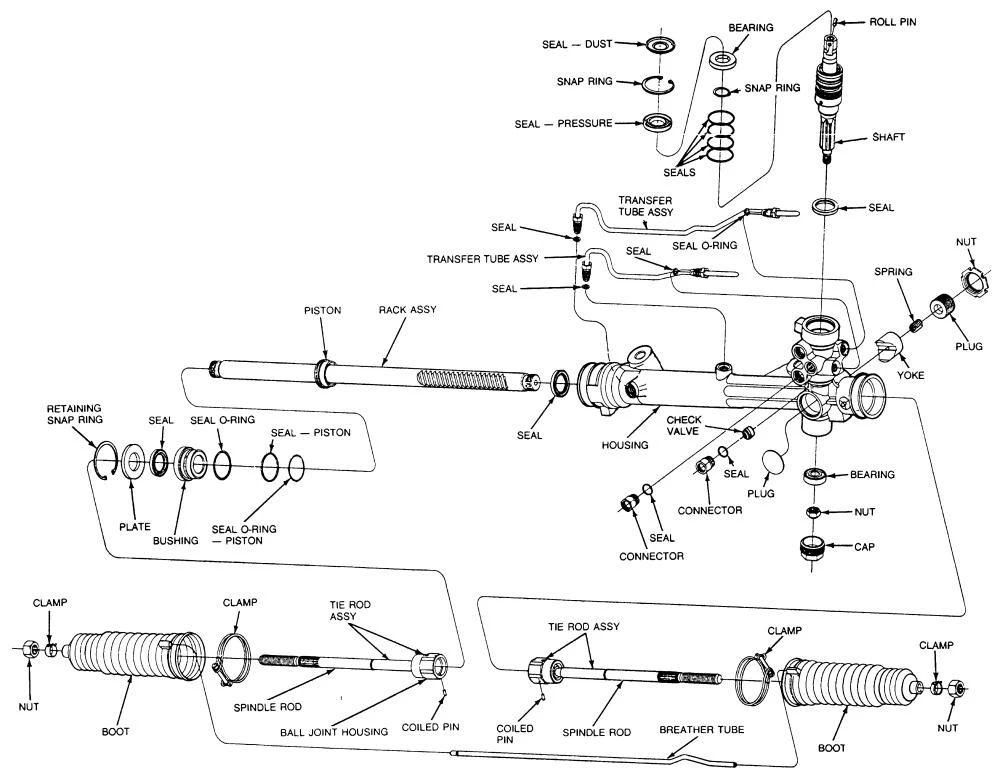
The main steering rack components include:
- Rack shaft
- Pinion gear
- Tie rods
- Bushings
- Bearings
- Seals and O-rings
- Bellows boots
- Hydraulic or electric assist components
Each part plays a distinct role in ensuring smooth, precise, and safe steering.
How Does a Steering Rack Work?
A steering rack (or rack-and-pinion system) converts the circular, rotational motion of your steering wheel into the linear motion needed to turn your vehicle’s wheels. When you turn the wheel, it spins a small gear (the pinion) that slides a long, toothed metal bar (the rack) left or right.
Core Components
- The Pinion: A small circular gear connected directly to your steering column. As you turn the steering wheel, the pinion rotates.
- The Rack: A long, straight metal bar housed inside a metal tube, featuring a row of teeth that mesh perfectly with the pinion gear.
- Tie Rods: Rods that connect each end of the rack to the steering knuckles on your car’s wheels.
The Turning Process
- Input: You turn the steering wheel, causing the pinion gear to spin.
- Conversion: The spinning pinion pushes or pulls the rack left or right depending on which way you are turning.
- Action: As the rack slides, it pushes one tie rod and pulls the other, angling the wheels left or right simultaneously.
- Gear Reduction: The specific size ratio of the pinion and rack teeth provides mechanical leverage. This reduces the amount of physical force required from you to turn the wheels.
Key Steering Rack Parts and Their Functions
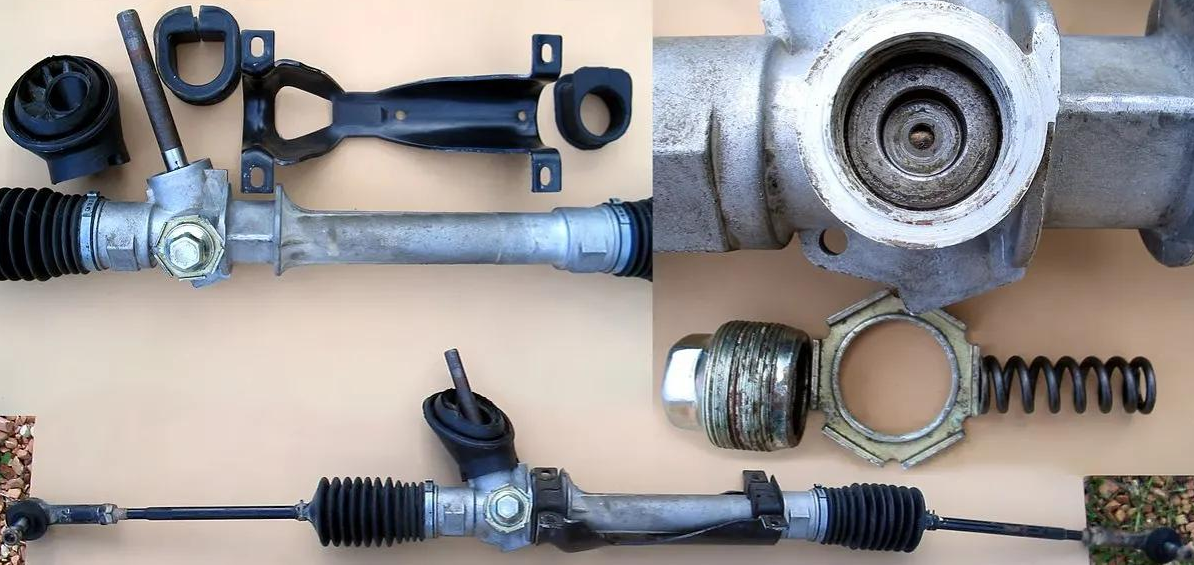
Rack Shaft
The rack shaft is the heart of the steering rack assembly.
Its primary functions include:
- Translating steering input into wheel movement
- Maintaining steering accuracy
- Supporting vehicle directional control
A damaged rack shaft can result in excessive steering play and poor handling.
Pinion Gear
The pinion gear meshes directly with the rack shaft.
Its role is to:
- Transfer steering wheel movement
- Create precise steering response
- Maintain steering ratio efficiency
Wear on the pinion gear often produces loose steering or unusual noises.
Tie Rods
Tie rods connect the steering rack to the wheels.
They are responsible for:
- Transmitting steering force
- Maintaining wheel alignment
- Supporting vehicle stability
Faulty tie rods can cause wandering, uneven tire wear, and unstable handling.
Seals and O-Rings
These small components are often overlooked but extremely important.
Their functions include:
- Preventing fluid leakage
- Protecting internal components
- Maintaining hydraulic pressure
In hydraulic steering systems, worn seals are among the most common causes of steering rack failure.
Bushings and Bearings
Bushings and bearings help stabilize moving components.
Benefits include:
- Reduced friction
- Improved steering precision
- Lower vibration levels
When worn, drivers may notice clunking sounds or excessive steering movement.
Bellows Boots
Bellows boots protect the steering rack from contaminants.
They help prevent:
- Dirt intrusion
- Moisture damage
- Premature wear
A torn boot can significantly shorten the service life of the steering rack.
What Happens When Steering Rack Parts Fail?
Steering rack failures rarely happen overnight. In most cases, wear develops gradually.
However, ignoring early warning signs can lead to complete steering system failure.
The following table summarizes common steering rack component failures and their effects.
| Component | Common Failure | Driving Symptoms |
| Rack Shaft | Wear or damage | Loose steering |
| Pinion Gear | Gear wear | Steering play, noise |
| Tie Rods | Excessive wear | Vehicle wandering |
| Seals | Fluid leakage | Heavy steering |
| Bearings | Wear or corrosion | Vibration and noise |
| Boots | Cracking or tearing | Accelerated internal wear |
Signs of a Failing Steering Rack
A faulty steering rack often produces noticeable symptoms before total failure occurs.
Steering Feels Loose
One of the earliest signs is excessive free play in the steering wheel.
Drivers may notice:
- Delayed steering response
- Reduced precision
- Difficulty maintaining lane position
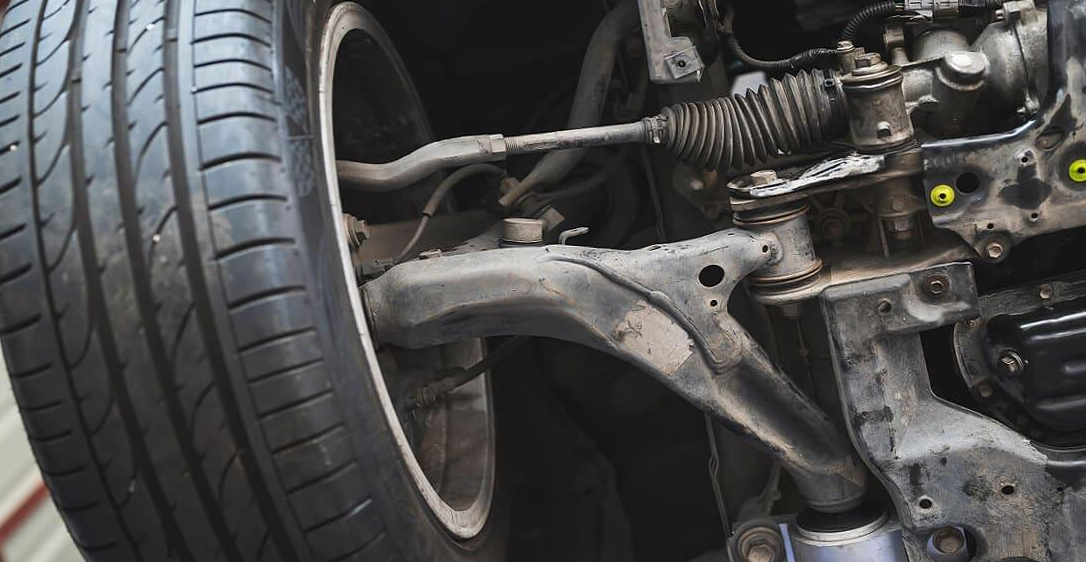
Unusual Noises
Grinding, knocking, or clunking sounds often indicate worn internal components.
Common causes include:
- Damaged bearings
- Worn bushings
- Gear wear
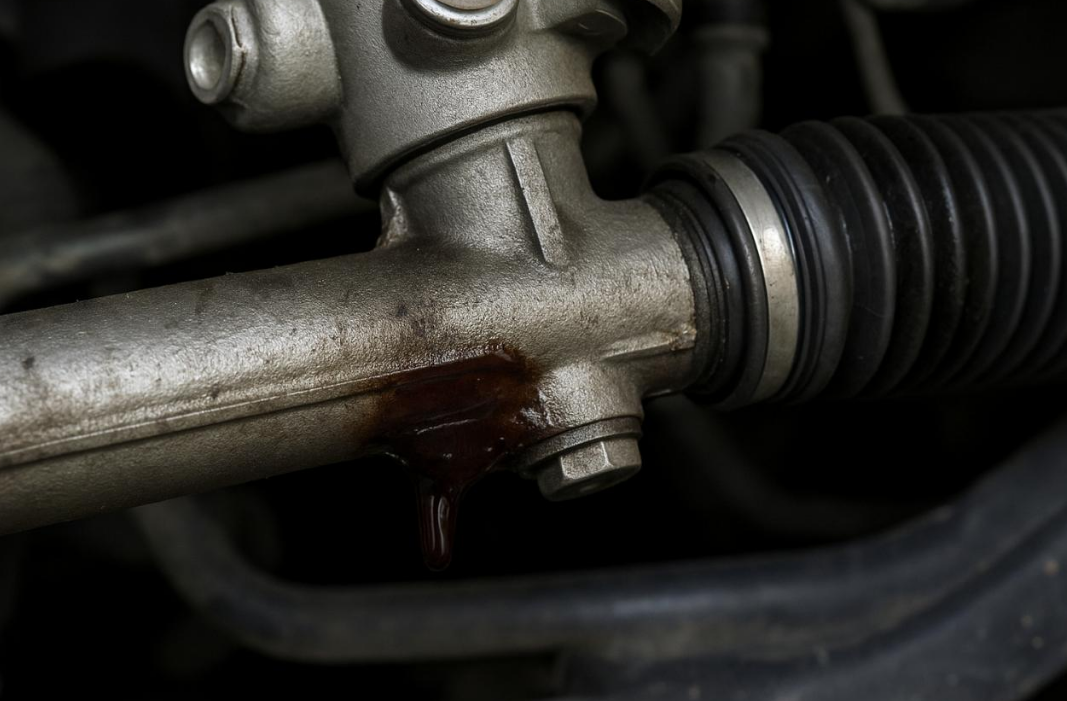
Fluid Leaks
For hydraulic steering systems, leaking fluid is a major warning sign.
Look for:
- Red or amber fluid under the vehicle
- Low power steering fluid levels
- Increased steering effort
Vehicle Pulling to One Side
When steering components wear unevenly, wheel alignment can be affected.
This may cause:
- Poor straight-line tracking
- Uneven tire wear
- Reduced driving stability
Heavy or Stiff Steering
A steering wheel that becomes difficult to turn often indicates:
- Hydraulic pressure loss
- Internal rack damage
- Electric assist system failure
How to Prevent Steering Rack Damage
Although steering rack components naturally wear over time, proper maintenance can significantly extend service life.
Inspect Boots Regularly
Check for:
- Cracks
- Tears
- Grease leakage
Replacing damaged boots early can prevent contamination.
Monitor Steering Fluid
For hydraulic systems:
- Check fluid levels regularly
- Use manufacturer-approved fluid
- Repair leaks immediately
Avoid Harsh Impacts
Potholes, curbs, and road debris can damage steering components.
Safe driving habits help reduce unnecessary stress on the steering rack assembly.
Schedule Periodic Inspections
Professional inspections can identify:
- Worn tie rods
- Seal deterioration
- Early gear wear
Preventive maintenance often avoids larger repair costs later.
Conclusion
Steering rack parts may be small, but they are essential for accurate steering and driving safety. Components such as the rack shaft, pinion gear, tie rods, seals, and bearings must work together flawlessly to ensure precise steering performance.
If you notice loose steering, fluid leaks, unusual noises, or heavy steering, inspect the system promptly. Replacing worn parts early can help avoid bigger issues and keep your vehicle safe on the road. For distributors, repair shops, and vehicle owners, using high-quality steering rack assemblies and replacement parts is key to maintaining reliable steering performance.Professional manufacturers such as GL-Laida focus on quality-controlled steering rack remanufacturing and testing processes to help ensure consistent steering reliability.
Frequently Asked Questions
What is the most important part of a steering rack?
The most critical component of a steering rack is the mesh between the rack and the pinion gear. This mechanical connection instantly translates the rotational force of your steering wheel into the lateral, side-to-side movement that actually turns your car’s wheels.
Can a vehicle be driven with a bad steering rack?
Driving with a bad steering rack is highly dangerous and generally not recommended.
What causes steering rack seals to fail?
Steering rack seals fail primarily due to constant friction, extreme pressure, fluid contamination, and environmental exposure.
How long do steering rack components last?
Most steering rack assemblies can last between 80,000 and 150,000 miles, depending on driving conditions and maintenance.
Should I repair or replace a faulty steering rack?
Deciding whether to repair or replace a steering rack depends on the extent of the damage. Repairing (using a reseal kit or replacing bushings) is best for minor leaks or wear. However, if the internal gears are heavily worn, bent, or the housing is cracked, a full replacement is required.